

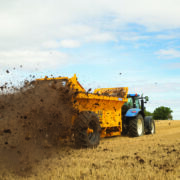
A new specialist machinery event focused on manure handling and nutrient management reflects a wider shift in UK farming towards tighter regulation and more efficient input use. Muck Management UK 2026 will bring together manufacturers, contractors and farmers at a time of increased scrutiny on slurry storage and application.... Read more

Variable weather patterns and waning maternal immunity could leave lambs exposed to clostridial diseases this spring. Experts are urging farmers to review vaccination protocols to protect youngstock – especially as immunity passed on through antibodies in their mother’s colostrum starts to fade after just a few weeks. “Once this... Read more
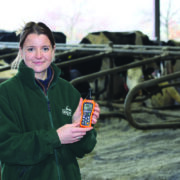
Funding to protect against heat stress
Livestock 02/04/2026
Ventilation and monitoring systems to combat heat stress in livestock are eligible for grants from the Farm Equipment and Technology Fund. High performing dairy cows in the UK can begin to experience heat stress at just 18°C, particularly in humid conditions, says animal welfare expert Chloe Rodriguez, from housing... Read more
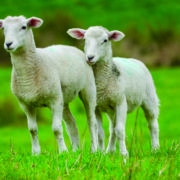
After writing last month about what felt like endless rain, I’d hoped it might mark the start of some drier weather, writes Nerys Wright. We’ve still had plenty of wet days, but we have at least been treated to the odd spring like day. These increasingly erratic winters aren’t... Read more
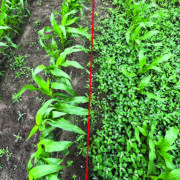
Two-stage weed control vital in maize
Livestock 02/04/2026
A two-stage approach to weed control is essential to maximising maize yields, says a specialist crop adviser. ProCam agronomist Justin Smith says a pre-emergence application of pendimethalin followed by a two or three-way combination of post-emergence active ingredients can encourage exemplary crop performance. “As recently as less than a... Read more
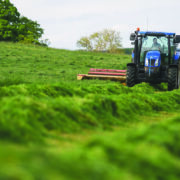
A wet winter means management decisions on forage and herd health will be key to get more from grass this spring begins. Mild soil temperatures have kept grass growing but persistent rainfall continues to limit field access. It means many farms now carry heavy swards. But much grass lacks... Read more

Banning livestock from upland areas could threaten the long-term storage of stable soil carbon, say scientists. Grasslands hold around one third of the world’s terrestrial carbon. Responsible grazing has an important role to play in sustainable land management, according to the study by researchers at Manchester University. Environmental groups... Read more

An innovative project to reduce emissions from livestock farming is yielding promising results, say researchers. Scientists from Aberystwyth University are working with Pilgrim’s Europe to eliminate the UK’s dependence on applied nitrogen fertilisers in grassland by using three specially developed legume species. On-farm trials Funded by Defra and Innovate... Read more

Seed suppliers report increased interest in fodder beet this spring following a difficult forage season last year. Fodder beet is appealing to farmers looking to ensure adequate supplies in the event of a repeat summer drought. Once fodder beet gets its roots down, it can be quite drought tolerant,... Read more

Avian vet joins poultry technical team
Livestock 03/02/2026
Specialist avian vet Tom Dutton has joined Elanco Animal Health as an additional technical consultant for poultry. Dr Dutton has spent more than 13 years’ experience working in the sector, predominantly treating pet and zoo-owned birds. But he also spending some time working with commercial poultry. “I went down... Read more
Subscribe


Industry leaders aim to secure profitable future
News Apr 1, 2026
New law on dog attacks comes into effect
News Mar 4, 2026


Revealed: Latest details for revamped SFI scheme
News Mar 4, 2026