

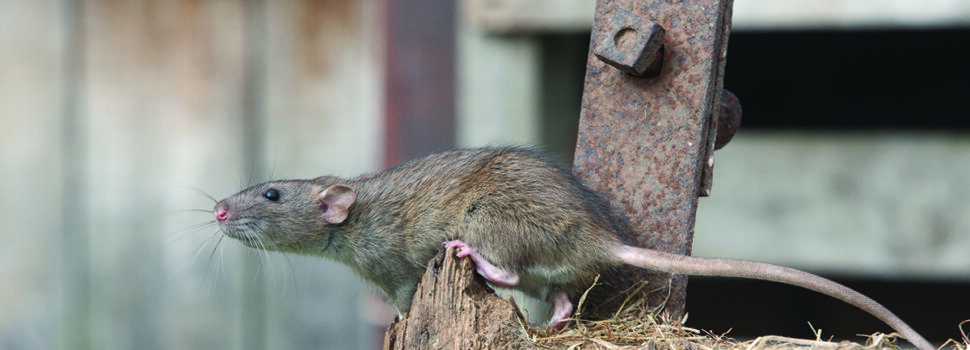
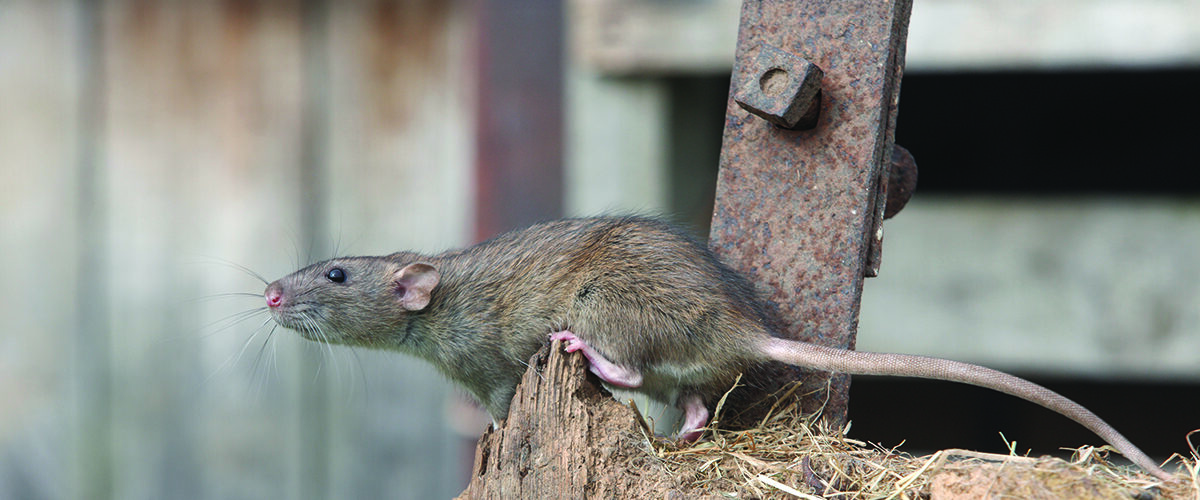
Prevention is always better than cure when it comes to rodent control – especially as the months become colder and wetter. Rodent problems can increase during winter – and extra thought should be given to control at this time of year.
Following a threefold approach – focused on monitoring, proofing and baiting – will help keep on top of rodents on-farm. This means monitoring for signs of rodents, proofing areas to prevent rodent access and targeted baiting where necessary.
1. Monitor for signs of a rodent
Physical sightings of mice and rats are the most reliable ways to identify a rodent problem – but there are several other signs which farmers can look out for too. Droppings, rat tracks and footprints are obvious signs of a rodent problem.
Grain stores, machinery sheds and other farm buildings all appeal to vermin seeking warm shelter from the elements outdoors – so regularly walk around walls and perimeters looking for signs of rodent activity.
It’s also sometimes easier to spot footprints around water sources such as puddles, ditches or water troughs – although footprints in these areas often signal a rat infestation as opposed to mice.
Unlike rats who need around 12ml of liquid per 100g of body weight each day, mice get all their hydration from food and therefore don’t drink. Similarly, in grain stores, he says the presence of mice can be difficult to spot due to their size, whereas a rat’s tail can sometimes leave marks in the grain, making a rat challenge slightly easier to identify without a sighting.
2. Rodent-proof areas to prevent activity
A proactive approach to control – focused on rodent-proofing buildings and machinery – will reduce the need for large amounts of bait and other control measures. Over time roller doors can stop working, windows get broken, and gaps appear in the walls. Spend time to repair areas of damage on-farm which could create access points for rodents to enter buildings.
Fixing these problems will go a long way in deterring vermin. A tidy farm will to discourage rodents from setting up home in and around buildings. Proofing ducting and electric cables with an anti-rodent spray is a really good idea to protect any machinery from rodent damage as we know this can not only be very costly in terms of downtime but also increase the likelihood of fires.
Also, consider the necessity of some water sources on-farm as disused water troughs provide a drinking source for rats so moving or disconnecting these troughs when not in use will encourage rats to move on and find a new water source.
3. Use the right bait for the right situation
In many instances, bait will be required to control rodent problems. Choosing the right bait is as important as putting the bait down itself.
Make sure you’re using a bait which is suitable for your farm system and the challenge you’re facing because this will give you the best outcome. Grain bait is most palatable where rodents are feeding on grain.
But grain bait shouldn’t be used inside grain stores because of the risk of contamination. Blocks or paste in secured stations are a good alternative inside stores, with grain bait used outside along runways and access points into the store.
Different active ingredients work differently, with some single-feed baits necessary in very challenging situations. If you’re unsure about which bait to use, it’s always best to seek the advice of an experienced and respected pest controller. That way you can be sure you’re not using the wrong bait for the job and wasting money because it’s not working.
David Reece is a professional pest controller and technical adviser at Lodi UK.