

Agronomy Zone showcases range of practical solutions at Cereals
Cereals eventEvents 06/05/2026 Gemma Mathers
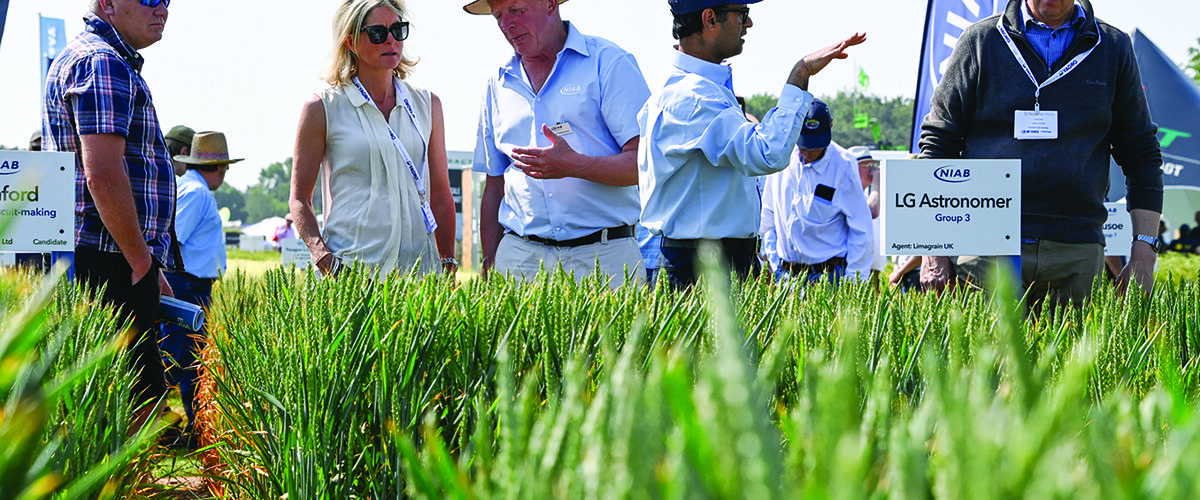
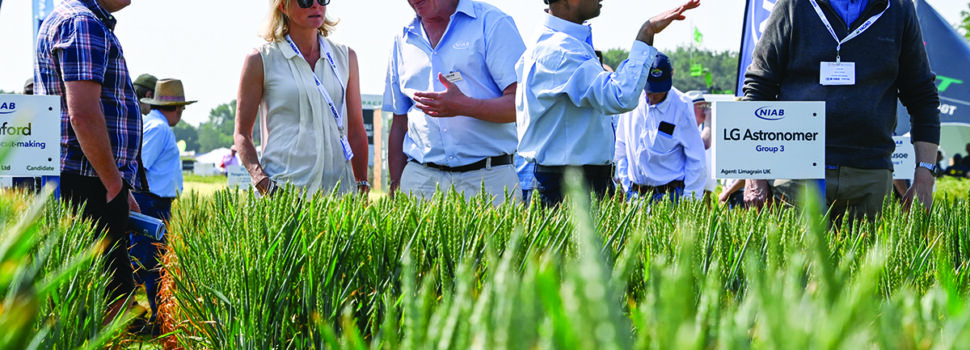
New technologies, crop varieties and agronomy strategies will be on display in the Agronomy Zone at this year’s Cereals event, offering farmers a detailed look at how arable systems are evolving.
More than 600 crop plots will feature across the site, covering both mainstream and alternative crops. These include drought-tolerant cereals, improved oilseed rape lines and a growing range of protein crops aimed at diversifying rotations and managing risk.
Organisers say the aim is to provide practical guidance rather than theory. Farmers face increasing uncertainty around crop nutrition, plant health and input costs. The event is designed to help growers make informed decisions based on field-scale evidence.
Crop plots
Visitors will be able to compare leading varieties side by side. Nine key varieties will be shown under untreated, low-input and standard farm regimes, alongside GP1 and GP4 blends. The approach allows growers to assess performance under different management systems.
The Ceres Rural Diddly Squat Farm Trials, sponsored by Grain Fumigation, will also return. These plots offer an insight into what is being grown on the farm, alongside new approaches being tested in real conditions.
There is a continued emphasis on adapting to climate pressures. Drought resilience, low-carbon rotations and regenerative approaches all feature prominently across the Agronomy Zone.
Soil focus
Soil management remains central to the event. The Niab Soil Hole will give visitors the chance to examine crop development both above and below ground. The exhibit forms part of a wider Niab presence, which includes more than 130 plots across 25 crop species.
The Niab stand will showcase 32 winter wheat varieties, including new candidates for the 2025/26 season. Agronomists will be on hand to advise on variety choice, fungicide strategies and rotation planning.
The stand is known for delivering independent technical advice. It covers areas such as crop genetics, soil health and data-driven decision-making, bringing research findings into a practical setting for farmers.
New systems
A series of themed exhibits will explore emerging agronomy approaches. These include bi-cropping systems to improve resilience, nutrient management strategies for cereals, and updated herbicide programmes for weed control.
Protein crops will also feature strongly. Visitors can learn more about the role of lupins, beans, lentils and chickpeas in UK rotations, as interest grows in home-grown protein sources.
The Centre for High Carbon Capture Cropping platform will highlight under-utilised crops. These include quinoa, triticale and hybrid barley, alongside herbal leys designed to improve soil structure and carbon capture.
Meanwhile, the Ceres Rural Crop Challenge will give university teams the opportunity to manage their own winter wheat plots. Students from the Royal Agricultural University, Aberystwyth, Hartpury, Harper Adams, Reading and Nottingham will take part.
Each team is responsible for agronomic decisions, from fungicide choice to fertiliser use. The competition offers hands-on experience and reflects the complexities of modern crop management.
Cereals organisers say the Agronomy Zone is intended to connect research with practice. By mixing field trials, technical advice and live demonstrations, the event will help growers respond to economic and environmental pressures with confidence.