

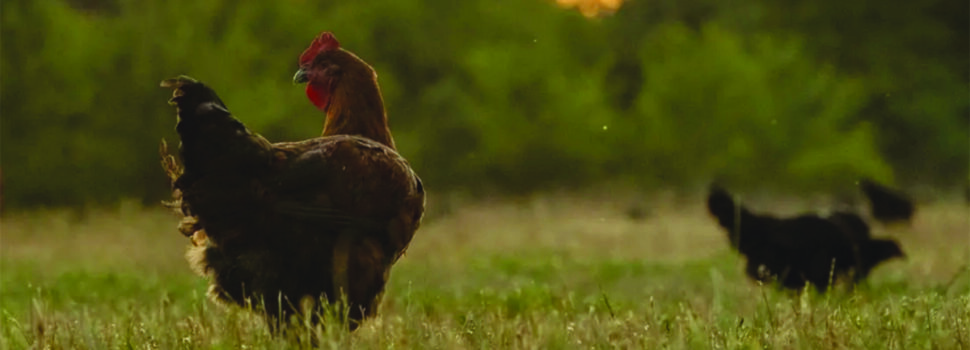
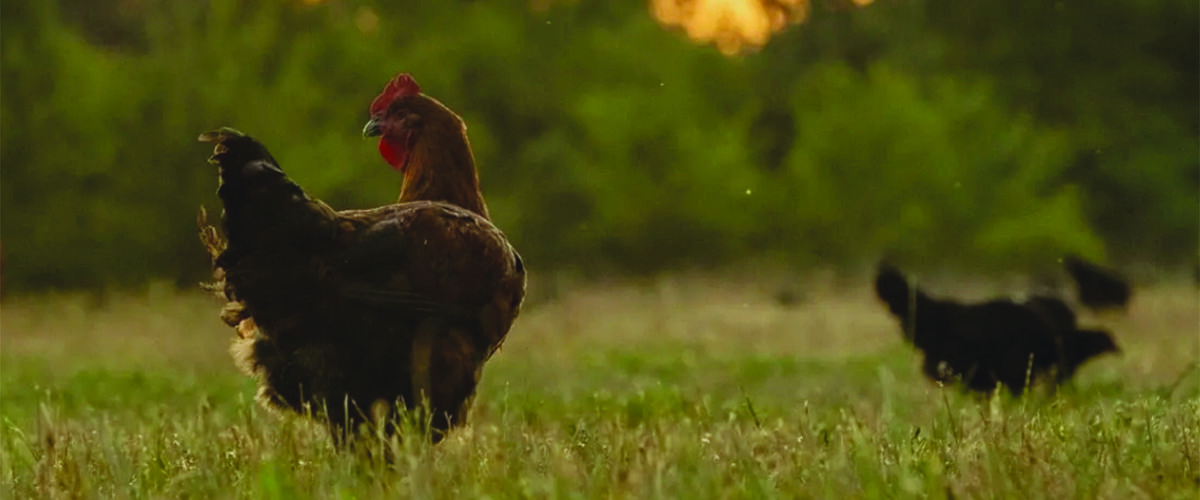
A Norfolk poultry company is seeking more farms across East Anglia to rear free-range chickens and turkeys.
Traditional Norfolk Poultry managing director Mark Gorton says demand for the company’s chicken and turkey products continues to grow as they are increasingly recognised by retailers and consumers.
“The marketing campaign for our exclusive Norfolk Black Chicken is proving a great success among many top chefs and restaurants who are enthusiastic about adding this to their menus. We are continuing to invest in our processing capacity and we now need to increase the supply of all types of free-range poultry which we believe offers great opportunities for farmers to achieve a new revenue stream to secure long-term income.”
Growing demand
The company works with more than 50 farmers. Some specialise in poultry while others see this as diversifying income at a time when support payments have been lost and arable profit margins are increasingly under pressure.
“There are many ways in which farmers can become involved in producing chickens and turkeys for us,” says Mr Gorton. “The different farming models include brood farms to rear day-old chicks to 28 days up to 1kg in weight. The maximum density of 19kg/m? makes the job ideal for any poultry house with low density putting minimum pressure on the space.”
Mobile chicken sheds or farming models rearing birds to full term are further options. They offer a 10-year payback at a time when farmers need greater certainty about future returns. Sites of up to 20ha are required and must be secure with good access.
Farm options
A typical full-cycle unit has a capacity for 40,000 birds with up to three high welfare poultry houses within a 15-acre roaming area that includes wooded copses. No previous experience with poultry is required.
Full training is available and ongoing support is provided by experienced field managers. This system represents a much larger investment but will secure a valuable income for generations to come, says Mr Gorton.
“Our turkey production Polytunnels require woodland space up to 75% of the area, so this is a good opportunity for farmers to maximise income from an untapped source,” he explained. “We pay the same for woodland areas as for the arable aspect of the farm and we require secure sites of about 15 acres. We believe the variety of poultry growing systems we operate means there is something for everyone.
Mr Gorton said he was happy to show anyone how they work and can be integrated into their farming business. “Our stocking densities are the lowest in the industry and the exclusive use of genuine slow growing breeds means this is the best way to grow birds.”