


Allocation on a first come, first served basis
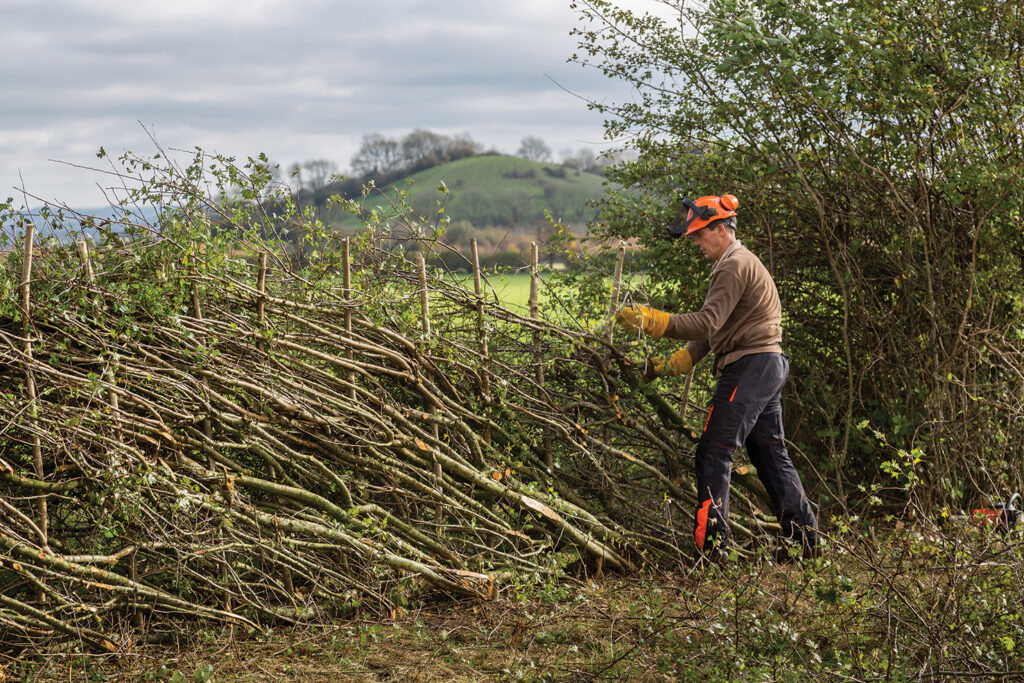
Farmers are being advised to act quickly following a new round of capital grants worth £150m to growers and livestock producers.
The Defra offer funds a range of on-farm projects – from tree planting and flood prevention to improved slurry storage and water filtration – helping farmers boost profitability while protecting the environment.
“The scheme will operate on a first come, first served basis and with high demand expected, it will be important to act as soon as possible,” says farm consultant Henry Clemons, of Strutt & Parker.
Eligible projects
Capital grants last year helped plant over 4,000 miles of hedgerows and upgrade slurry systems. This year eligible projects include covering slurry lagoons, concrete yard renewal or covering sprayer washdown areas.
The grants are a good opportunity to carry out improvements, says Mr Clemons. But it may not be possible to complete some projects within the £25-£35,000 limit for grants in the main item groups, meaning additional money will need to be found.
Farmers should carefully assess their cash flows and the expected outcomes before applying. The grant will require businesses to cover 100% of the project cost up front, with reimbursement coming later.
“Make sure the finances add up, and that any investment aligns with your long-term business strategy,” says Mr Clemons. The scheme will close for applications once this year’s £150m budget has been fully allocated.
Application
Defra has already warned that while it wants to give notice of any impending closure – to avoid a repeat of the surprise suspension of the Sustainable Farming Incentive (SFI) – this may not be possible.
“Only one successful application per business will be allowed in any one year. The government has said it intends to run another round of the scheme in 2026, but we do not know what the budget for that will be.”
Applicants will need approval from a Catchment Sensitive Farming (CSF) adviser for capital items that help improve water and air quality. This will involve booking an advisory visit or consultation.
The government says the grants forms part of an £11.8bn it has committed to sustainable farming during the course of this parliament – boosting food security, supporting rural growth, and protecting the environment.
How the grants will work
Capital grants are the latest in a series of important steps to support the farming industry, says the government.
The steps include the appointment of former NFU president Minette Batters to recommend reforms to boost farmers’ profits, and ensuring farmers get a bigger share of food contracts across schools, hospitals, and prisons.
Farmers and land managers can apply for a total of 78 items, ranging from supporting natural flood management projects to improving water quality on farms under this new round of the capital grants offer.
Four new items have been added to the list of eligible projects – including assessing woodland condition, creating wildfire management plans, repairing drystone walls and hosting educational visits.
Changes are being made so more farm businesses can access these grants – making it fairer for farmers by setting funding limits that maximise the number of farms benefiting, while enabling Defra to manage budgets more effectively.
This includes funding limits to four of the six groups of capital items in this Capital Grants offer. An application can include items from each of the six groups. The funding limit for four of the groups is:
£25,000 maximum for each of the following three groups: water quality, air quality, and natural flood management
£35,000 maximum for the group covering boundaries, trees, and orchards
Defra says it will also listen to farmers’ feedback and use it to improve the offer ahead of the next round, which is due to open in 2026. It says the grants are part of a wider Plan for Change to grow the rural economy, support farmers and boost food security.


Industry leaders aim to secure profitable future
News Apr 1, 2026
New law on dog attacks comes into effect
News Mar 4, 2026


Revealed: Latest details for revamped SFI scheme
News Mar 4, 2026