

Higher electricity bills pile pressure on farm businesses
Professional Services 05/12/2025 Gemma Mathers
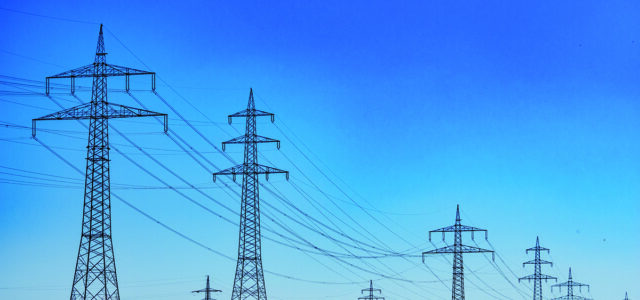
Soaring electricity bills are expected to pile the pressure on farm businesses over the coming months, say analysts.
Fixed charge increases are expected to increase by between 60% and 130% on a like for like basis, says Barry Crossan, head of utilities at the AF Group. This will be seen in fixed charges on business electricity bills rising from April 2026.
“While the wholesale cost of electricity has remained relatively flat in the last 12 months, and forward markets currently look equally stable at similar to slightly lower levels, this is the only good news.
‘Sizeable uplift’
“Delivered cost of electricity will increase due to a sizeable uplift in the non-commodity costs, with higher-than-expected increases in projected costs of maintaining and upgrading grid structure to deliver on government renewable targets.”
Fixed costs could ramp up even higher for farm businesses where the electricity supply is also reassessed and allocated to a higher band based on recent historic usage or capacity arrangements, says Mr Crossan.
“Spread across a very large consistent annual consumption the percentage increase in kWh cost will be less significant – but for smaller and more seasonal usage the increases will be considerable.”
Energy watchdog Ofgem announced major review into how costs are allocated across the energy system earlier this year. This includes looking at whether the system of a standing change and a unit rate is fair.
Ofgem chief executive Jonathan Brearley said the transition to a more secure energy system meant unit costs could decrease but fixed costs – such as those needed to upgrade the energy network – could rise.
“Customers have real concerns about fairness and transparency in their bills, especially around fixed costs. That’s why we’re asking big questions about how and where these costs are shared – and whether there are better, fairer ways to do it.”
Ag-inflation index
The ongoing increase in overall farm input costs is revealed in the latest AF Agricultural Inflation Index. It shows that average costs increased by 0.77% in the year ending 30 September 2025. But this is only part of the story.
Six of the nine input categories monitored by the AF index showed cost increases. Fertiliser rose by almost 11%; contract and hire by over 6%; and machinery, fuel and electricity all by almost 3%.
The lowest price rises were for rent, interest, property and office up (+0.7%); and labour (+0.2%). The remaining three input categories showed price falls: chemicals (-11.2%); animal feed and medicines (-7.4%); and seed (-1.2%).
The AF Group says its utilities team is working hard to highlight the most likely significant increases to its farmer-members ahead of energy costs being finalised in the New Year.
Farm and retail gap narrows – but only very slightly
The gap between farm input costs and retail prices has narrowed – but only very slightly, suggests the AF Group.
The total food Retail Price Index (RPI) for a basket of foodstuffs has risen over the past year by just over 5%, which is more than the upward trend of the previous two years. This trend is certainly being felt by food shoppers.
But AF Group agriculture chief John Barrett says the numbers warrant a closer look.
“While the crop input ag-inflation figures seem quite modest, if you look at how much the value of crops such as wheat and sugar beet has decreased, combined with increased costs of production, the impact to farmers is profound.”
Feed wheat prices have dropped 7% in the past year, milling premiums are down 66%, feed barley is down 12%, and malting premiums down roughly 50%. The sugar beet price is down 7.5% from last year and will be 15% lower next year.
“For the 2026 harvest, we’re looking at seed costs down 15%,” says Mr Barrett. “At the same time, we are seeing an increase in use of home-saved seed to reduce costs.”
The AF Group is forecasting that ag-deflation will continue in crop protection products aligned with a rise in generics.
Nitrogen fertiliser costs have risen by 18% since the start of the season, pushing up wheat costs by about £26/ha for 2026.


‘Serious concern’ over winter drought
News Jan 5, 2026


Conference examines income opportunities
News Jan 5, 2026

Seize opportunity to forge own destiny
News Jan 5, 2026