

George Hebdon
A two-row dual-purpose spring malting barley with good malting traits has made its debut on the Recommended List.
Shona promises to be a strong future choice for both maltsters and growers in the east of England, says George Hebdon, barley breeder for Elsoms Ackermann, the company behind the variety.
“Shona is currently under testing for both brewing and distilling. Across three years of trials in the eastern region, it has achieved average treated yields of 106% to controls, underlining its consistency as a high yielding dual-purpose spring malting barley.”
Solid agronomics
Although Shona possesses a solid set of disease resistance scores, the variety’s malting characteristics really catches the eye – traits which make it particularly interesting, says Mr Hebdon,
“It has one of the highest hot water extracts and predicted spirit yields of any spring malting barley on the Recommended List, enhancing its appeal to maltsters. With two years of micro malt testing already under its belt, and a third year of testing due to commence in 2026, the variety looks in a strong position to achieve full Malting Barley Committee approval with no negative reports on its performance so far.”
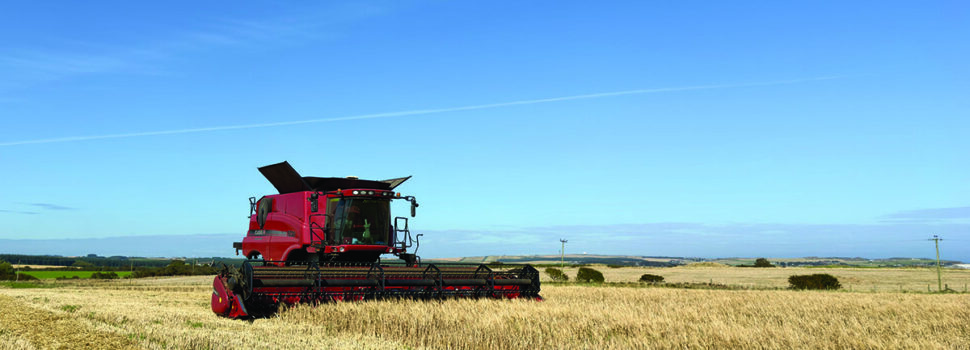
Aberdeenshire farmer Harry Smith, of Nethermill Farm near Cruden Bay, grew the variety in 2025. Shona has all the rightagronomic traits to establish itself as a key choice for growers in the eastern region, he says.
Independence
“We annually grow 728ha of spring malting barley, so it’s our most important individual crop and, in 2022, we established our own independent seed production business, trading as Nethermill Seed, so we’re always looking for new high-yielding varieties.”
Mr Smith says he drilled drilled 6ha of Shona into a loamy soil at a seed rate of 190kg/ha on 11 September 2025. The crop established well and raced through its early growth stages, he says.
“Shona progressed well through late spring and summer despite the very low rainfall and was one of our first spring barleys to come to ear, ripening almost two weeks before our crop of Laureate, despite sharing the same +1 ripening score.”
“A post emergence herbicide of Fluroxypyr was applied on 3 May at 0.5l/ha with 10g/ha of metsulfuron-methyl + tribenuron-methyl alongside a key fungicide spray made up of prothioconazole at 0.4l/ha + Folpet at 1l/ha.
Nutrition
“This was swiftly followed by a second split of nitrogen on 13 May, this time applied as liquid nitrogen to combat the drying ground conditions and get some much needed moisture into the crop.”
“All in all, Shona seemed straightforward to manage, coping better with the dry conditions than our other spring barleys and maintaining its green colour into early August,” says Mr Smith.
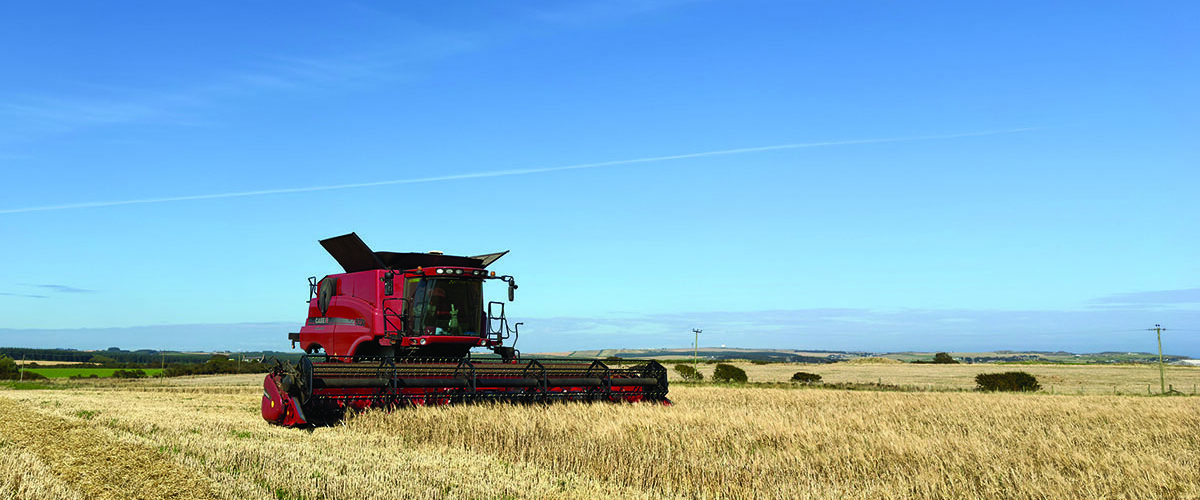
Harvesting on 25 August, Shona averaged 5.5t/ha, understandably below Mr Smith’s five-year average due to near drought conditions. But it still comfortably outyielding many other varieties on the farm.
“For harvest 2026, our plan is to increase our area of Shona to 35ha depending on seed availability. If the variety achieves full malting approval, that area will increase substantially again if the commercial interest in Shona continues to grow.”
‘Step change’

Toby Reich
Toby Reich, head of agriculture at Elsoms Seeds, says the addition of Shona to the new Recommended List is timely for growers and maltster It offers an improved agronomic performance – and a step change in quality for brewers and distillers.
“The domestic malting industry annually purchases around 1.9 million tonnes of UK-grown malting barley. Introducing a new, robust variety in the east gives growers and maltsters a fresh option.
“This, in turn, could help the sector remain competitive, maintain domestic supplies of high-quality malting barley, and support long-term sustainability – especially given changing market dynamics, climate challenges, and the need for resilient crops.
“In short, Shona is a timely opportunity for the UK malting barley supply chain, giving growers a forward-looking variety and maltsters a new source of quality grain at a moment when innovation and resilience are increasingly important.