

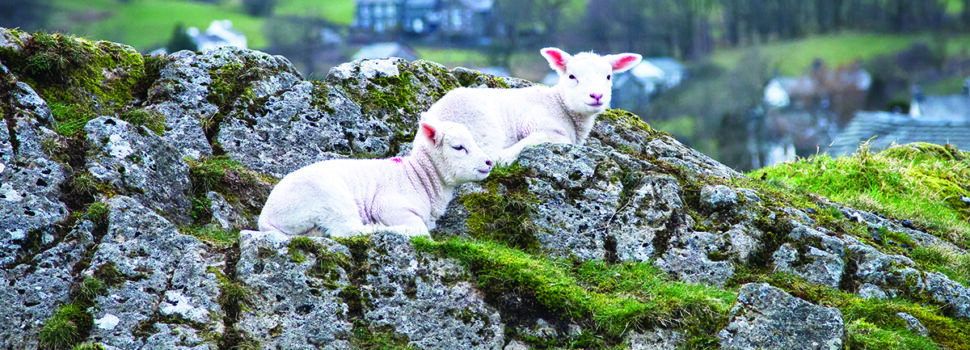
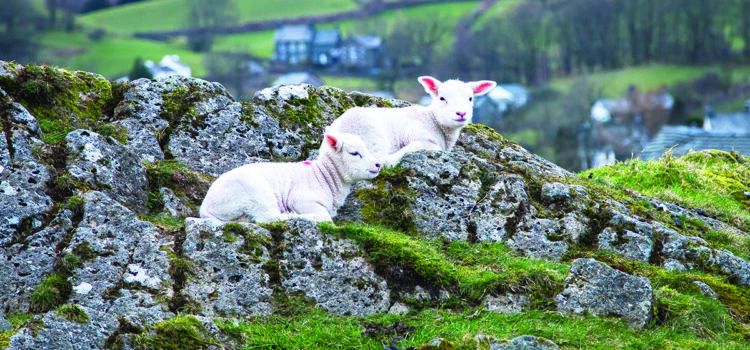
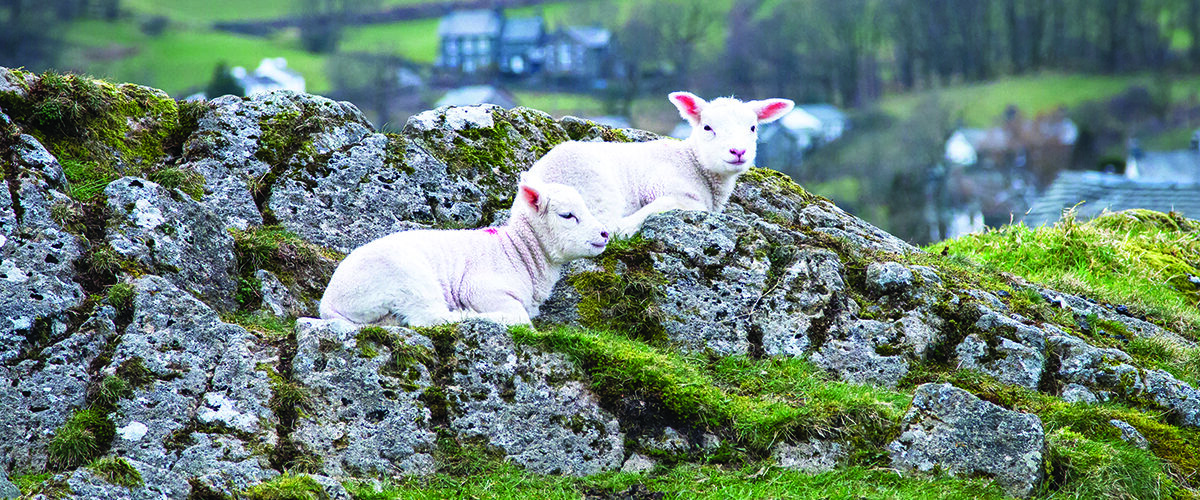
Banning livestock from upland areas could threaten the long-term storage of stable soil carbon, say scientists. Grasslands hold around one third of the world’s terrestrial carbon. Responsible grazing has an important role to play in sustainable land management, according to the study by researchers at Manchester University.
Environmental groups have long argued for sheep to be taken off the hills. Instead of being used for grazing, they believe upland areas should be planted with trees or rewilded and returned to nature.
But supporters of grazing argue that sheep have a vital role in the environmental management of some of England’s most iconic landscapes – as well as providing a key source of lambs for lowland producers.
While grazing exclusion can increase short-lived plant carbon above ground, it can also lead to lower levels of durable, mineral-associated organic carbon in soils – a form of carbon seen as crucial for long-term climate change mitigation.
National Sheep Association chief executive Phil Stocker said: “Proposals to remove livestock from long-established grazing systems are increasingly being put forward as a large-scale climate solution. This evidence, alongside other research, implies there are alternative management strategies for achieving climate targets, which should be considered in environmental policy and land use frameworks.”
Results recently shared from a Forage for CH4nge project in the Yorkshire Dales National Park underscore how upland sheep systems, traditional breeds and pasture management can contribute to climate-smart farming.
Critical need
NSA project manager Nicola Noble said the findings complemented the active Grazing for Good project in the Lake District and surrounding areas of Cumbria which reinforced the importance of balanced grazing in upland systems.
Evidence from the Manchester study, Forage for CH4nge and the Grazing for Good project would further enhance the critical need for sheep farmers and their grazing flocks as key allies in delivering climate-resilient land management.
“These systems also deliver a plethora of other public goods alongside the production of protein-rich food and sustainable fibre,” said Ms Noble.
The NSA said it would continue to encourage sustainable upland farming practices. Properly managed sheep grazing could maintain long-term soil carbon stocks while contributing to the sector’s net-zero goals, it added.