


Growers returning to oilseed rape are being urged to focus on crop management as renewed confidence drive a resurgence in plantings.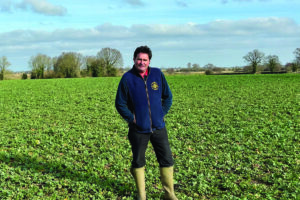
The rape area increased by 49% for harvest 2026, according to estimates from the Agriculture and Horticulture Development Board. But the 358,000 hectares grown this season remains a long way off the 650,000ha seen a decade ago. That said, there is every indication the area will increase again for harvest 2027, says James Hood, United Oilseeds area manager for the Midlands and Norfolk. The farmer-owned cooperative has been inundated with inquiries from growers, he says.
Market signals
With prices at about £430/t off the combine, many growers are reassessing their rotations – not least because of weaker oilseed rape pricing. Other break crops are also less profitable than rape.
Backed by companies including Grainseed and Limagrain, the United Oilseeds Reboot campaign has further helped restore confidence in rape, says Mr Hood. “This campaign has given growers much more confidence. ”
Pest pressure has also eased. Cabbage stem flea beetle caused relatively few problems this season after growers adopted the 10-step integrated crop management guidance issued by the AHDB.
Many growers are now planning to increase their oilseed rape acreage or return to the crop after several years away, says Mr Hood. “Farmers are very upbeat about it,” he says.
Variety choice remains an important consideration as growers look to balance establishment costs with yield potential. Mr Hood favours Limagrain hybrids but describes Pi Pinnacle as his preferred conventional variety. Grainseed general manager Neil Groom points out that Pinnacle topped the latest AHDB survey, accounting for 9% of the total area grown across both hybrid and conventional varieties. It’s later flowering and flexibility make it particularly attractive. Being a conventional variety, growers can also grow their own seed. Even when purchased, seed costs are significantly lower than hybrid seed costs.
Crop outlook
Agronomists report crops are in strong condition across much of the country. AHDB currently classifies 78% of the standing crop as good or excellent, matching the positive outlook seen last season.
Independent Oxfordshire plant breeder Mike Pickford says his Pinnacle trial plots have performed well throughout the season. He reports the variety has remained among the cleanest in trials for stem diseases. He says secondary and tertiary branches are carrying large seed with between 28 and 30 seeds per pod, while the crop remains green and continues contributing to final yield. Disease pressure has generally remained low this season.
Mr Pickford says earlier varieties are beginning to show stem diseases including verticillium, which can restrict grain fill, but he has not yet seen sclerotinia or significant lodging.
Mr Hood reports similarly low disease pressure across the Midlands and Norfolk. Crops have looked healthy but harvest performance will determine whether the encouraging season translates into strong financial returns.
Mr Pickford believes this year’s crop has the potential to match last season’s high yields. “With growers being very upbeat about rape, I am hopeful for a profitable crop this harvest and even more rape for next harvest.
Recent performance and current market conditions have strengthened the crop’s business case. For many farmers, oilseed rape was the best performing crop in harvest 2025 – and looks to repeat a solid return this year too, says Mr Groom.