

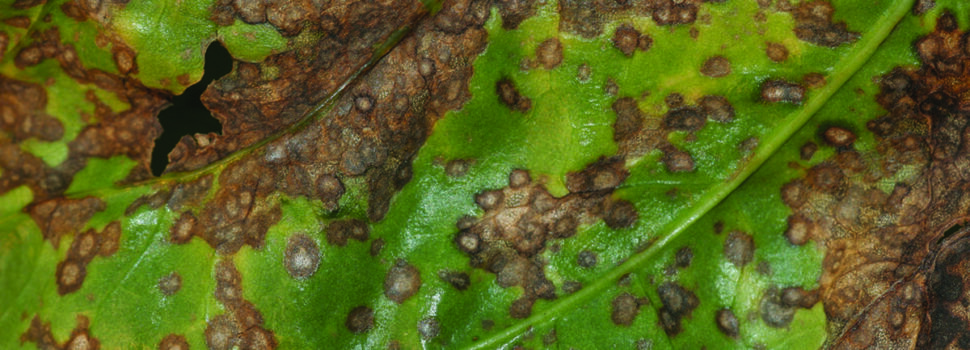
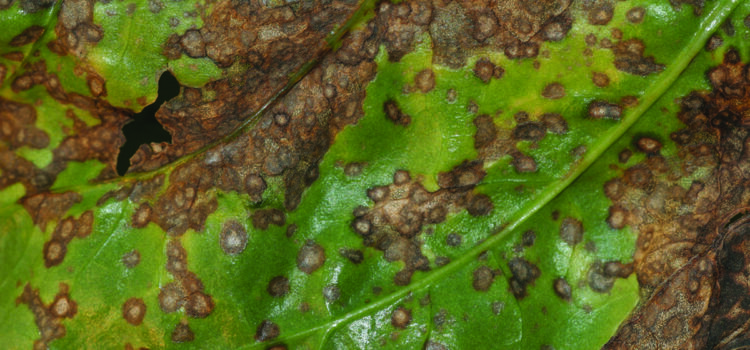
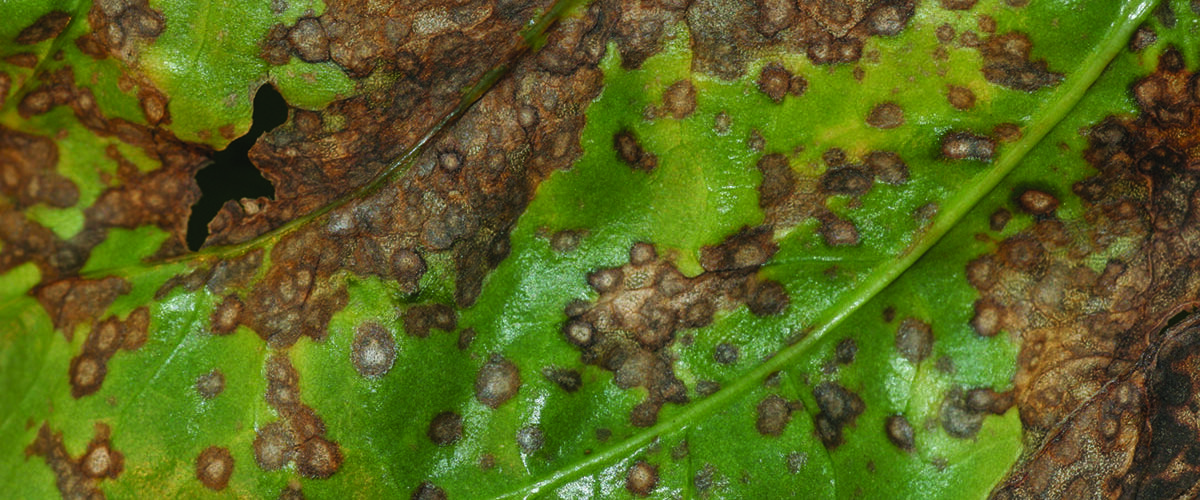
Adding a plant health elicitor to sugar beet fungicide programmes could improve disease control and increase yields. Trial results suggest that combining the biostimulant Innocul8 with conventional fungicides can consistently reduce foliar disease levels – while helping crops retain healthy canopies for longer.
Agrii technical manager for non-combinable crops Don Pendergrast said the work was designed to assess whether plant health products could complement existing fungicide programmes. Innocul8 contains the peptide PHC101 together with manganese and zinc, both important for plant enzyme activity. The peptide triggers a natural immune response by mimicking the effects of a pathogen attack.
“We originally looked at Innocul8 because we wanted to see if biostimulants could aid green leaf retention into the winter for sugar beet,” says Mr Pendergrast, with the product included in disease control programmes this season. “We looked at some of the popular fungicides with a range of different biostimulants. Many of the products we investigated showed an adjusted sugar yield benefit, but Innocul8 stood out. It was visually better in the field.”
Strong response
Agrii found the product improved fungicide performance – even against difficult diseases such as cercospora.
In one trial, mixing 0.5 litres/ha of Innocul8 with Angle (azoxystrobin + difenoconazole) reduced Cercospora severity by 75%, delivering disease control comparable with the strongest treatments in the programme.
Mr Pendergrast believes the biggest benefit came from maintaining green leaf area after spraying. “I visited the site 44 days after application, and the Innocul8 was giving continued support to the crop with its plant health benefits. It’s a challenge to repeatedly see the benefits from biological based solutions that we might see in one trial. What excites us about Innocul8 is the consistency in trials you rarely see with other plant health products.”
Farm decisions
The results persuaded Agrii agronomists Miles Doncaster and Adam Mann to incldue Innocul8 into sugar beet programmes. “Depending on the pressure, I’ll either pair it with Angle or use it alone for its plant health benefits,” says Mr Doncaster. Fungicide programmes are tailored to disease pressure, lifting date and growers’ appetite for risk, he adds.
Mr Mann, who advises growers across the Norfolk-Suffolk border where cercospora pressure is often high, expects to continue using Revystar (mefentrifluconazole + fluxapyroxad) on susceptible varieties.
But he believes Innocul8 still has a role where improved plant health can add value – including to help keep beet standing in dry conditions. “One of our farmers hosted a trial in South Norfolk last year, and it certainly seemed to keep the beet standing better. If we lose leaves late in the season, then the sugar levels take a hit as the crop recovers, and weeds can become a problem.”