


Farm leaders are pressing the government to underwrite interest-free crisis loans as drought, disease and rising costs leave businesses short of the cash needed to plant crops and replace livestock.
The proposed Keep Britain Growing Loan would target viable businesses hit by exceptional losses. Farm organisations say urgent support is needed to protect working capital and prevent this year’s difficulties cutting food production in 2027.
NFU analysis puts the indicative gross production value lost from this year’s wheat crop at about £370m. Poor grass growth has created a potential forage shortfall of 196,300 tonnes of dry matter, with replacement feed potentially costing livestock farmers an additional £34m.
Mounting costs
Higher fertiliser and fuel bills have added to the squeeze. The NFU estimates that higher nitrogen prices have increased the industry’s annual fertiliser bill by about £303m. Red diesel costs have risen by about £200m.
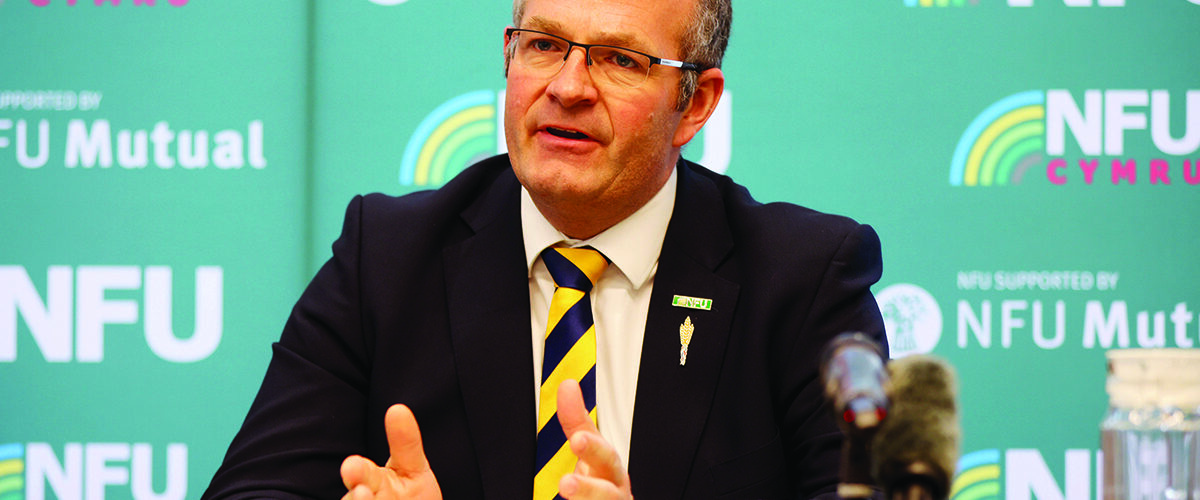
“We’re hearing daily about the cashflow crisis facing farmers,” said NFU president Tom Bradshaw.
Mr Bradshaw cited a Buckinghamshire grower whose harvest income was £220,000 below normal and a Dorset dairy farmer spending an additional £500 a day on fodder. “The balance sheets are not adding up,” he said.
Banking route
The Tenant Farmers Association has backed the loan proposal. It argues that using existing banking relationships could get money into businesses faster than establishing a new administrative system.
Government backing through the British Business Bank could unlock finance while keeping the cost to taxpayers lower, the TFA said.
“This is not about propping up businesses that were already unviable,” said TFA chief executive George Dunn. “It is about preventing temporary but extreme cash-flow shocks from destroying productive farm businesses, livelihoods and food-producing capacity.”
Wider reform
The industry is also seeking government help with the cost of collecting and disposing of livestock killed by bluetongue. But the TFA warned that emergency lending alone would not resolve underlying problems. It wants action on supply-chain fairness, trade, regulation, payments for public goods, planning and agricultural tenancies.
“An interest-free crisis loan should be one piece of a much bigger jigsaw,” said Mr Dunn.
The NFU is also calling for easier water transfers during drought, faster reservoir development and greater investment in climate adaptation. Immediate finance must be paired with longer-term reform to make businesses more resilient to increasingly frequent weather, disease and market shocks, it says.