


Variable-rate nitrogen applications could be a valuable tool for managing uneven growth of winter cereals and oilseeds this spring. Some crops sown before the weather broke last October established well and show good potential. But others have struggled where seedbeds were compromised or land suffered prolonged waterlogging or flooding.... Read more
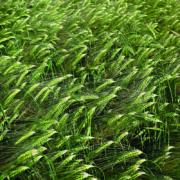
Plant breeder KWS is to launch its first ever hybrid barley into the UK market later this year – with a strong pipeline of varieties behind it. The company said the move underlined its commitment to the sector in the coming years. Although a newcomer to hybridisation in barley,... Read more

A bumper winter wheat crop saw Lincolnshire grower Mark Stubbs scoop top prize in the ADAS Yield Enhancement Network Cereals competition. The 16.6t/ha crop of LG Skyscraper yielded an outstanding 16.6t/ha when it was harvested last year. It was second time lucky for Mr Stubbs, who last won the... Read more

Three crops of Crusoe milling wheat grown by three different growers claimed the top three positions in the latest Yield Enhancement Network competition. Breeder Limagrain said the victory was welcome recognition for the Group 1 variety which has established itself as a favourite among growers... Read more
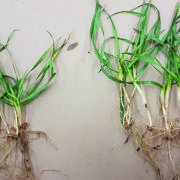
Focus on crop nutrition to build root mass
Arable 04/03/2024
A focus on key nutrients could help to pull lethargic crops out of the cold, wet winter. Without a strong root system to scavenge for nutrients and reach water as summer droughts take hold, no amount of fertilisers or other inputs will deliver vital growth and yield potential, says... Read more

Maize could be a good choice for many growers this spring – stacking up well against more conventional crops with additional benefits from the Sustainable Farming Incentive. “Significant reductions in nitrogen use, low-input agronomy and soil improvement opportunities are just some of the appeal and managed properly maize can... Read more
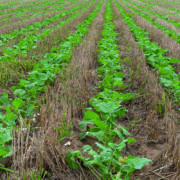
Companion crops in direct drilled oilseed rape could help reduce damage by cabbage stem flea beetle, say scientists. Results from a Rothamsted Research study suggest relatively simple changes in crop management could help control a ubiquitous pest which has seen many farmers abandoning oilseed rape altogether. Field trials, conducted... Read more

The next generation of sugar beet tolerant to Virus Yellows disease could be commercially available in 2026 – helping to end reliance on neonicotinoid seed treatments. Breeding companies across Europe and the UK are making good progress in the development of beet varieties tolerant to all three yellowing viruses,... Read more

Wide variations in drilling dates, the wet winter and the early appearance of disease mean winter wheat crops will need managing on a field-by-field basis this season. The best growers will be paying close attention to every crop – not just those that are struggling. Just as much effort,... Read more
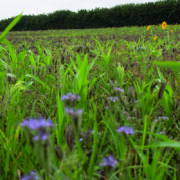
Large amounts of land are being taken out of food production and put into the government’s flagship agri-environment scheme, the Sustainable Farming Incentive, say agronomists. Contractors and farmers could struggle to survive where large areas of arable land are being put into the scheme, which is being seen by... Read more

Subscribe


Poignant hi-vis reminder on farm safety
News Jul 31, 2026


Royal recognition for farmer’s open days
News Jul 2, 2026

Supplementary feeding boosts bird numbers
News Jul 2, 2026

Check records before applying for SFI 2026
News Jul 2, 2026