

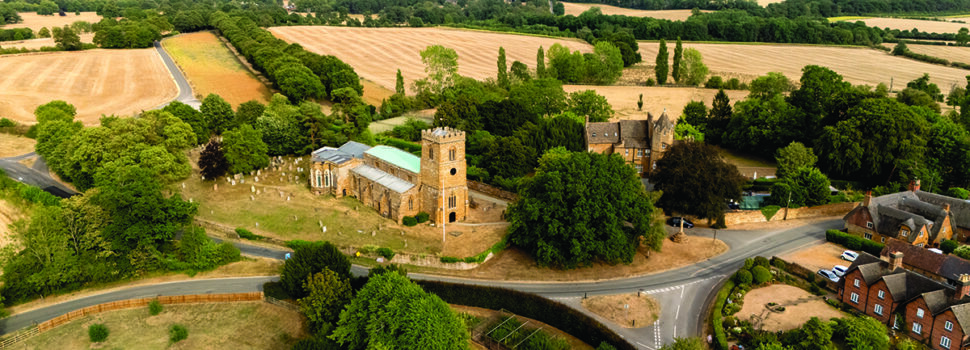


England faces prolonged lack of rainfall
Water restrictions could continue into next year despite forecasts for a wetter autumn as the impact of the summer drought continues.
Environment Agency modelling suggests 120% of typical rainfall is needed over the next seven months for all areas to recover. Even under the most likely weather scenario, East Anglia and Devon and Cornwall are expected to remain in drought until April.
Defra water minister Emma Hardy said: “Recent rainfall is not yet enough to replenish all the water we’ve used over the last six months, and I will be carefully monitoring the actions of water companies which will be vital as we go through the autumn.”
Supply pressure
Almost three-quarters of England remains in drought. The government is pressing water companies to maintain leakage reduction and follow drought plans as reservoir and groundwater levels continue to decline.
There is roughly a one-in-four chance that about half of England will remain in drought next spring. The Environment Agency currently puts the risk of severe drought in the coming months at about 1%. Water demand rose by as much as 30% on the hottest summer days, says the government. England received just 56% of typical spring rainfall, followed by 64% during summer.
Farm investment
Agriculture is among the sectors facing pressure after drought contributed to a difficult harvest and tightened irrigation supplies.
The government has announced a £65 million package for affected farmers. This includes up to £15 million towards on-farm reservoirs, aimed at allowing businesses to capture more water when rainfall is plentiful. Planning changes will also make it easier for non-water companies to develop reservoirs by allowing qualifying projects to be considered nationally significant infrastructure.
Longer resilience
Ministers are pursuing wider investment to increase water capacity as extreme weather puts greater pressure on existing infrastructure.
Plans include nine major reservoirs by 2050, alongside desalination plants and water-transfer schemes. A further £100 million has been allocated to improve resilience to extreme weather and wildfires. The National Drought Group is now meeting weekly to monitor water resources and coordinate the response. Ms Hardy said water companies must continue acting during wetter weather.
“They need to maintain momentum. We expect to see leaks fixed quickly, drought plans followed without delay and continued work to reduce demand to help avoid any further restrictions.”