

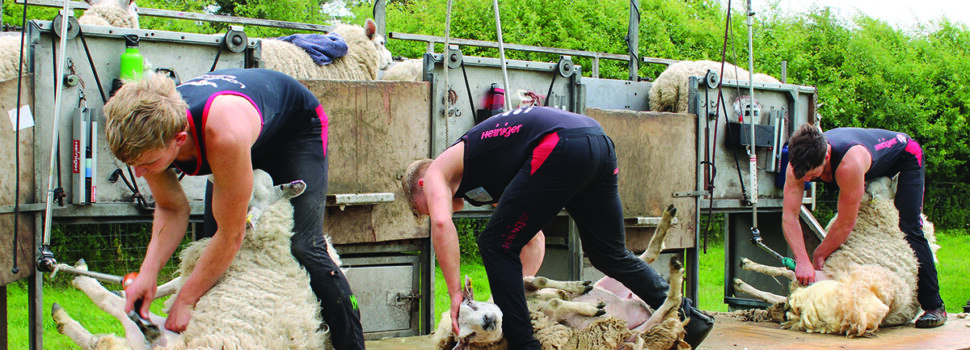
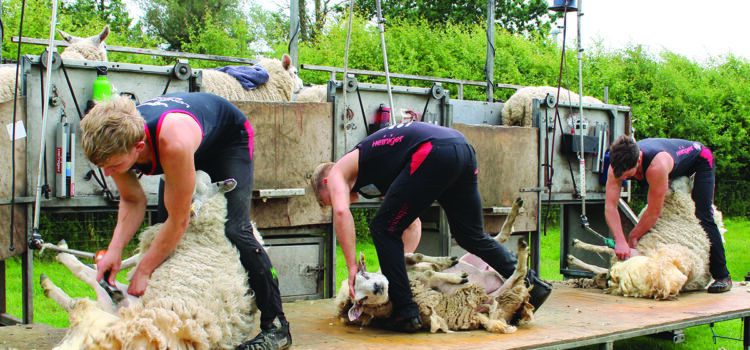
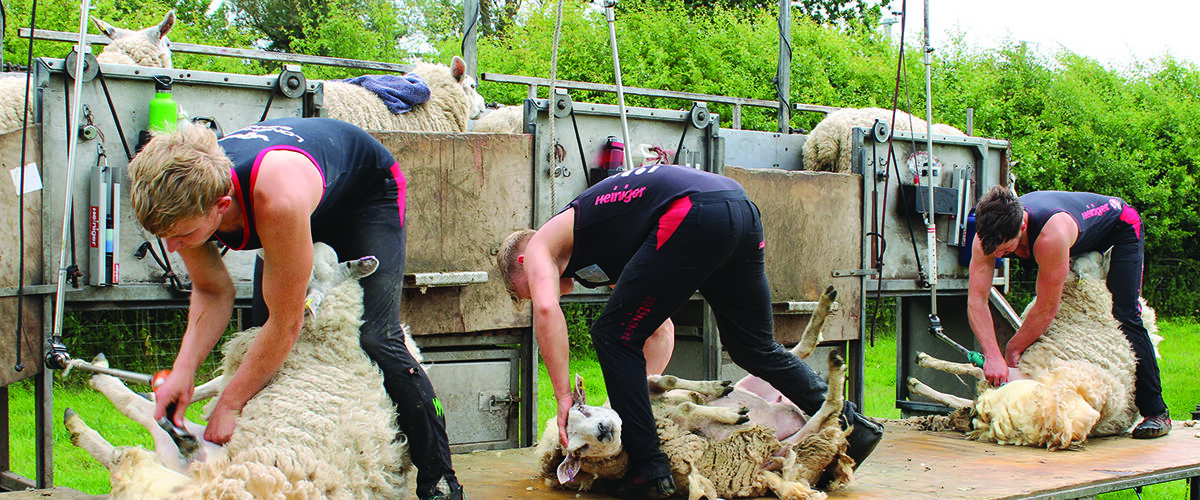
Wool prices for the 2026 cut could rise by a further 25p-30p/kg, suggests British Wool – meaning some wool could realise prices more than £1 per kilo. With the shearing season underway, the forecast has prompted suggestions from clipper manufacturer Heiniger that there has seldom been a better opportunity for farms to realise the best price for wool.
“The average payment increased to 68p per kilo last year, which was up from just 40p,” says Heiniger’s Hefin Rowlands. “Higher grade wools from breeds such as Cheviots are returning 85p per kilo.”
This makes the preparation for shearing and the shearing process all the more important,” says Mr Rowlands, who points to the need for preparation to make the process better for shearers and sheep.
“Fasting, dagging and separating ewes from lambs will help, whether a farm is bringing in professional shearers or not. Straw, dirt and dung in fleeces seriously detracts from wool value, so both sheep and the shearing area should be as clean as possible.”
Factory sharp blades and the correct clothing are essential. Good equipment will also play a big part in efficient shearing process, says Mr Rowlands. Heiniger has been manufacturing world-leading shears since 1946, he adds.
“We know how important the right shears are to getting the best cut. But even the best shears need to have clean, sharp combs and cutters, which is why we offer free postage for servicing our equipment. Investing in equipment and a good set of shears has never been more important for farms looking to take advantage of rising wool prices. But nothing beats experience and this is where professional shearers can help make all the difference. The average fleece weight is around four kilos which means a flock of 250 ewes could return upwards of £1000 this year – and that makes investing time and effort in shearing a worthy choice to maximise returns.”