

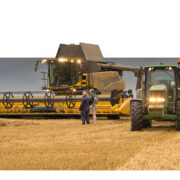
• 21% drop in wheat production • Yields tumble for other cereals • Call for climate change action This year’s cereal harvest was England’s second worst since records began – with some growers suffering devastating yields, Defra has confirmed. The English wheat harvest is estimated to be 10m tonnes... Read more
Keep monitoring for slugs – experts
Arable 03/11/2024
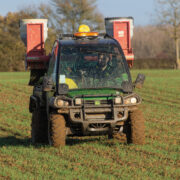
Wet autumn weather means growers should keep monitoring crops for slugs and reapply pellets where necessary, say experts. The durability of molluscicide pellets is increasingly important to protect cereal seedlings from slug attack. Growers should remain vigilant until seedlings start to tiller (GS21), when they become less vulnerable to... Read more
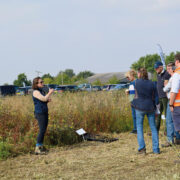
A trials site open day sheds light on the best options for farmers Farmers looking for the most suitable Sustainable Farming Incentive (SFI) options found help at hand during an autumn open day in Cambridgeshire. More than 100 options are available under the expanded 2024 SFI offer – so... Read more
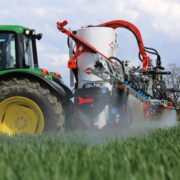
Farmers and industry stakeholders will come together to discuss the future of crop protection at a key conference this autumn. The need to balance food production while protecting the environment will top the agenda at the 2024 British Crop Production Council (BCPC) Congress – held on 26-27 November at... Read more
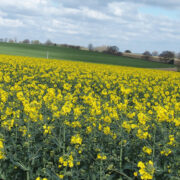
• Drilling date has bigger role to play • Milder winters affecting rape yields • Growth regulator can reduce losses Applying a plant growth regulator (PGR) to early drilled oilseed rape could hold the key to better yields, say experts. Genetic improvements are giving higher yields in trials. But... Read more
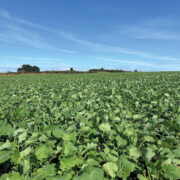
Silicon volley counters flea beetle
Arable 14/10/2024
• Helps reduce pest feeding damage • Affordable and effective option • More sustainable than insecticides Growers could combat cabbage stem flea beetle on winter oilseed rape by applying silicon to the crop, say independent agronomists. Plants use silicon – the primary constituent of glass – as a physical... Read more

‘Pivotal moment’ for UK oilseed rape
Arable 14/10/2024
The first meeting of a cross-industry initiative to secure a sustainable future for oilseed rape has attracted dozens of participants. The OSR Reboot campaign – launched by farmer-owned cooperative United Oilseeds earlier this year – brought together 57 professionals from 41 different companies and organisations from all facets of... Read more
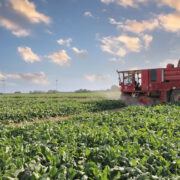
Early signs from both commercial and trial crops suggest that early lifted sugar beet is performing well – despite late drilling and above average rainfall. Rain washed away the threat of virus yellows this season, while good summer temperatures in recent weeks have helped the crop to pile on... Read more
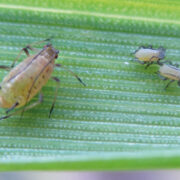
How best to tackle BYDV in cereals
Arable 14/10/2024
• Virus threat expected to be high • No-insecticide crops pay £45/ha • Think before abandoning sprays Growers face a tough decision when it comes to tackling barley yellow dwarf virus in autumn cereal crops. With high aphid pressure forecast, the virus risk is expected to be high. Yet... Read more

New winter wheat variety SY Cheer has been awarded full Group 1 milling status by UK Flour Millers in time for autumn drilling. SY Cheer is the newest of only five Group 1 varieties on the winter wheat Recommended List for 2024/25. Plant breeder Syngenta it could hold strong... Read more

Subscribe


Poignant hi-vis reminder on farm safety
News Jul 31, 2026


Royal recognition for farmer’s open days
News Jul 2, 2026

Supplementary feeding boosts bird numbers
News Jul 2, 2026

Check records before applying for SFI 2026
News Jul 2, 2026