


• Confusion over sugar beet supplies • Growers can purchase seed direct • British Sugar will release more soon Sugar beet breeders say they have plenty of seed available for the coming season – despite British Sugar describing some varieties as “currently sold out”. Confusion over seed availability follows... Read more

Six new varieties added to 2025 list Growers looking to order sugar beet for drilling in 2025 have six new varieties to consider on the British Beet Research Organisation recommended list. New varieties are Chyma, Josephina and Smart Uma – all from KWS UK; Magpie from SesVanderHave; and ST... Read more

• Challenging season delays harvest • Still a top performing forage crop • Range of factors need consideration Growers are being advised to consider earlier maturing maize varieties after a wet season delayed harvest. Maize remains the top performing forage crop for many growers – with potential for market... Read more

‘Pivotal moment’ for UK oilseed rape
Arable 10/11/2024
The first meeting of a cross-industry initiative to secure a sustainable future for oilseed rape has attracted dozens of participants. The OSR Reboot campaign – launched by farmer-owned cooperative United Oilseeds earlier this year – brought together 57 professionals from 41 different companies and organisations from all facets of... Read more
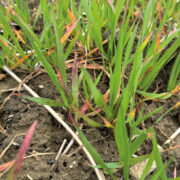
An easy-to-use online tool allows farmers to assess the phosphorus biological availability in their soils by entering their post code. Developed by Unium Bioscience, the free Phosphate Power tool helps growers optimise phosphorus use efficiency. Based on peer-reviewed data, it informs farmers whether soils are biologically optimised to provide... Read more
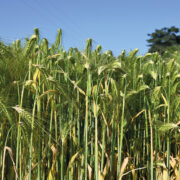
Demand grows for green feedstock Farmers are being encouraged to grow alternative energy crops and help meet demand from anaerobic digestors. The International Energy Authority (IEA) expects the global biogas sector is expected to grow by 8-22% annually over the coming years – a figure described as startling by... Read more
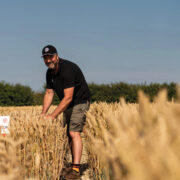
• Late-sown wheat for early harvest • Strong tillering and spring vigour • High yield and good grain quality Growers looking for a strong-performing late-sown winter wheat that can be harvested early have a new available option. Hard Group 4 variety LG Rebellion builds on many of the agronomic... Read more
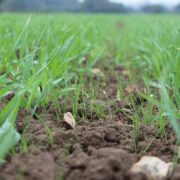
• High weed burden from last year • Good control vital for good yields • Integrated approach gets results Farmers should pay close attention to grassweed control this autumn – with high levels of weed seeds remaining after last season. Extremely wet conditions severely challenged cereal weed control last... Read more

• Shortfall in key crop nutrient levels • Important to eliminate deficiencies • Better soil organic matter can help More cases of nutrient deficiency are being found in cereal crops, according to seasonal tissue tests across East Anglia. Winter sown cereals face a huge challenge over the winter months,... Read more

Growers drilling second wheats into the end of 2024 should consider the variety carefully and manage it well to get the best from the crop. . Good early crop management is vital alongside varietal selection to avoid potential disease problems and yield... Read more

Subscribe


Poignant hi-vis reminder on farm safety
News Jul 31, 2026


Royal recognition for farmer’s open days
News Jul 2, 2026

Supplementary feeding boosts bird numbers
News Jul 2, 2026

Check records before applying for SFI 2026
News Jul 2, 2026