

• Good choice for cleaning crops • Robust performance in the field • Comparable yields are possible Oilseed rape growers moving on from HEAR varieties are being encouraged to consider growing a Clearfield variety instead. Volunteers rape plants left from HEAR varieties could see high levels of erucic acid... Read more

Britain’s growers have embraced changes to sugar beet seed purchasing arrangements, says global sugar beet breeder SESVanderHave. Since 2024, farmers can purchase sugar beet seed direct from plant breeders, as well as from British Sugar. “We launched our campaign to supply growers direct for the 2026 sowing at the... Read more
Emissions from wheat ‘can be halved’
Arable 07/08/2025
Carbon emissions from wheat production can be halved, suggest trials by a growers’ group supplying grain to Weetabix. The Lower Carbon Wheat Project was conducted on behalf of the Weetabix Grower’s Group, a collective of over 120 local farmers who grow 75,000 tonnes of wheat annually within 50 miles... Read more
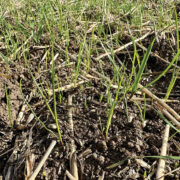
• Blackgrass now emerging later • Implications for cultural control • Spray sequences are important The later and more protracted emergence of blackgrass is prompting a shift in control strategies. Continued use of successful management strategies for blackgrass control developed by agronomy company Hutchinsons is starting to lead to... Read more

• Good effectiveness in UK crops • Timing and technique important • Remember to abide by guidance Most grassweeds are largely susceptible to a key herbicide for oilseed rape and sugar beet – although resistance is present in some UK populations, according to the latest testing of samples collected... Read more
• Valuable revenue this season • Consider agronomic benefits • But remember downsides too Arable growers should think carefully when considering whether to bale and remove straw from fields this summer. High prices for wheat and barley straw mean baling could make financial sense for arable farmers with easy... Read more
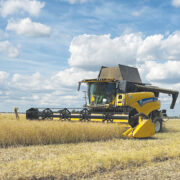
UK cereal harvest is ‘variable at best’
Arable 05/08/2025
Huge differences reported in yields Early yields this harvest are better than expected on some farms – but other crops coming off the field are disappointing. After a rollercoaster growing season marked by prolonged drought followed by sudden downpours, combine harvesters rolled into barley crops in late June –... Read more

MPs see farming in harmony with nature
News 05/08/2025
MPs saw food production and outstanding environmental success being achieved in harmony when they visited a Suffolk arable farm. Rushcliffe MP James Naish, Cannock Chase MP Josh Newbury and Ribble MP Valley Maya Ellis visited Lodge Farm at Westhorpe, near Stowmarket, as part of the NFU Food and Farming... Read more

• Tax ‘betrayal’ of farming families • Government unveils finance bill • Ministers refuse to discuss plan Industry leaders have again warned that imposing inheritance tax on farming families will fail to achieve the government’s aims. The NFU issued the warning as the government laid out draft legislation for... Read more

Tax threatens fields that feed us
Opinion 05/08/2025
At a time when the government claims to champion a resilient, sustainable food system, its inheritance tax reform proposals risk undermining the very foundation of that vision: Britain’s family farms. Draft legislation, due to take effect in April 2026, would see a 20% inheritance tax levied on farming assets... Read more

Subscribe


Crushed farmer urges rethink on farm safety
News Oct 1, 2026

Drought could last another six months
News Sep 28, 2026

Veteran paddlers launch £10,000 YANA challenge
News Aug 27, 2026


Poignant hi-vis reminder on farm safety
News Jul 31, 2026
