


A new disease rating on the latest recommended list for oilseed rape aims to help growers choose varieties resistant to verticillium. This year is the first time verticillium resistance ratings have been included in the Agriculture and Horticulture Development Board list. Top conventional oilseed rape variety Pinnacle is rated... Read more

An innovative digital support tool means growers can now remotely monitor the migration of key oilseed rape pests. Launched at Cereals 2024, MagicTrap from Bayer is a fully automated, nex- generation digital yellow water trap. It provides farmers and agronomists with continuously updated information on pest pressure. The trap... Read more

Benchmarking performance and keeping an eye on input costs will be key for profitable oilseed rape production during the coming season. Big swings in rape prices, increasing input costs and variable yields mean net margins for oilseed rape have fluctuated considerably over the last five years, says the Agriculture... Read more

Genes from a historic collection of wheat seed could help farmers use less fertiliser – saving money and reducing greenhouse gas emissions, say scientists. It follows a decade-long study of the A.E. Watkins Landrace Collection of local wheat varieties dating back to the 1920s and stored within the Germplasm... Read more

Better wheat yields could achieved by using biostimulants to reduce reliance on fertiliser and agrochemicals, suggests a trial. Carried out by plant breeder KWS and biostimulants specialist Orion Future Technologies, researchers who treated wheat with silicon found that the crop was better at taking up essential nutrients. These included... Read more
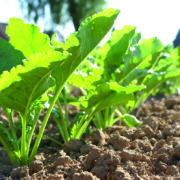
Sugar beet growers will have more flexibility in the seed varieties they choose following a ground-breaking deal with British Sugar. Reforms announced by NFU Sugar and British Sugar mean growers no longer have to purchase seed via the official UK Seed Account. It means growers will have access to... Read more
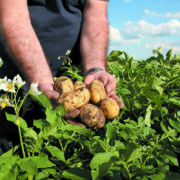
In-store sprout control for potatoes has become much more complicated and costly since the loss of chlorpropham (CIPC). But a cost-effective option is now available, so long as it is managed correctly: maleic hydrazide – marketed as Fazor by UPL. Field trials and an extensive literature review by potato... Read more

Tickets are now available for a new potato industry event – due to be held on 4-5 September at Nocton, near Lincoln. Called Potato Days UK, the two day event in the one of the country’s major potato growing regions will be hosted by Dyson Farming and organised by... Read more

Target slugs early in challenging season
Arable 03/07/2024
High slug populations and continued showers during June saw potato growers urged to apply molluscicides before crops reach the canopy stage. Slug pressure has remained high since last autumn after favourable breeding conditions in September and October. The subsequent mild, wet winter and spring did little to dent slug... Read more
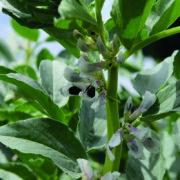
High disease pressure could restrict yield potential in late sown pulse crops racing through growth stages to recover from the wet spring. Many which were slow to establish are now playing catch-up. But increasingly high disease risks threaten to restrict green leaf area development and harvest yield, says Syngenta... Read more

Subscribe


Poignant hi-vis reminder on farm safety
News Jul 31, 2026


Royal recognition for farmer’s open days
News Jul 2, 2026

Supplementary feeding boosts bird numbers
News Jul 2, 2026

Check records before applying for SFI 2026
News Jul 2, 2026