

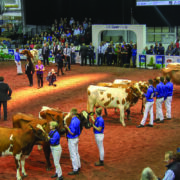
UK Dairy Day gears up for bumper event
Livestock 03/08/2026
Final touches are being put to this year’s UK Dairy Day event, which takes place next month at the International Centre, Telford, Shropshire. The dedicated annual event for the dairy industry on 16 September brings together all facets of the industry for face-to-face networking – alongside a showcase of... Read more

More dairy farmers are using cereals to manage forage supplies and reduce feed risk as another season of variable weather puts pressure on grass and maize production. The flexibility of cereals allows producers to delay key harvest decisions until later in the growing season, says Emma Church, regional business... Read more
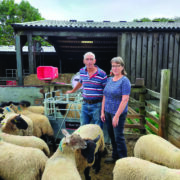
Top tips to tackle sheep lameness
Livestock 07/07/2026
A renewed drive to tackle sheep lameness is taking centre stage the sector comes together to reduce disease levels in UK flocks. Sheep lameness remains one of the most significant health, welfare and economic challenges facing the UK sheep sector. Ways to reduce it will be highlighted in a... Read more
One thing most people agree on this year – the weather seems all over the place, writes Nerys Wright. A week of record heat followed by torrential rain and a sudden drop in temperature, and it does make life that bit harder on farm. It’s not about getting into... Read more

Farmers are being urged to utilise bolus technology during one of the most important stages in a dairy cow’s production cycle, the transition period. Supporting cows more effectively from drying off through to the first days in milk can unlock significant health, labour and performance gains, says SmaXtec, which... Read more
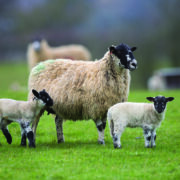
Sheep producers are advised to assess ewe body condition at weaning to maximise flock performance and profitability. Checking body condition score (BCS), alongside teeth, feet and udders, at weaning rather than waiting until tupping gives farmers time to correct any nutritional shortcomings before breeding. Ewes that are under target... Read more
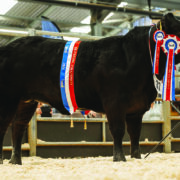
Profitability and food security dominated discussions at Beef Expo 2026 as thousands of visitors gathered in Melton Mowbray for one of the sector’s biggest annual events. The National Beef Association event combined cattle competitions, trade exhibits and policy debate – with industry leaders highlighting the need for investment, confidence... Read more

Farm contracting charges for individual operations have risen by up to 15 per cent following cost increases caused by the Iran war. Results from the latest survey by the National Association of Agricultural Contractors (NAAC) show that prices have generally risen a few per cent higher than 2025 –... Read more

Watch the sheep, not the calendar
Livestock 03/06/2026
Weaning should not be driven by the calendar – but by what the flock is telling us through lamb performance, ewe body condition and grazing availability, writes Nerys Wright. Many flocks may wean at a similar point each year, but the right timing can shift depending on the season,... Read more

Clean cut key to maximising wool value
Livestock 03/06/2026
Wool prices for the 2026 cut could rise by a further 25p-30p/kg, suggests British Wool – meaning some wool could realise prices more than £1 per kilo. With the shearing season underway, the forecast has prompted suggestions from clipper manufacturer Heiniger that there has seldom been a better opportunity... Read more

Subscribe


Poignant hi-vis reminder on farm safety
News Jul 31, 2026


Royal recognition for farmer’s open days
News Jul 2, 2026

Supplementary feeding boosts bird numbers
News Jul 2, 2026

Check records before applying for SFI 2026
News Jul 2, 2026