


Protected urea fertiliser is ‘game-changer’ for farmers
ArableLAMMASpring Crop Management 21/12/2023
More fertiliser manufacturers are launching urea products to meet forthcoming restrictions on ammonia emissions. The so-called Option 4 rules mean growers spreading urea fertilisers beyond 1 April 2024 must apply products coated with urease inhibitors to reduce ammonia emissions. Developed by BASF, new product Starbur has a patented coating... Read more

Switching fertiliser types to ensure soil micronutrient requirements are met this spring could offer growers multiple benefits, say suppliers. Maximising inputs is understandably a high priority for growers. But prescription nutrition – optimising productivity by ensuring fertiliser usage is as efficient as possible – has become increasingly important. “Making... Read more

Growers are being urged to check farm-saved spring barley seed for diseases such as loose smut and seed-borne net blotch. With winter cereal drilling only around 70-75% complete before autumn storms put a stop to further drilling for many growers across the UK, a larger-than-expected spring crop is now... Read more

Unpredictable weather changes emphasis for maize this spring
ArableSpring Crop Management 21/12/2023
Drilling maize by soil temperature rather than calendar date is increasingly important in light of increasingly variable weather conditions during spring. With potential yield loss from uneven emergence as high as 40% and poor seedbed conditions at drilling being a further challenge, growers need to take extra care with... Read more
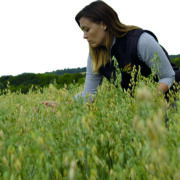
More farmers are expected to grow spring oats as they seek to loosen up rotations and limit the build-up of disease. Oats for human consumption will continue to be grown predominantly in Scotland, say seed breeders. But growers much further south are realising the potential of the crop too... Read more
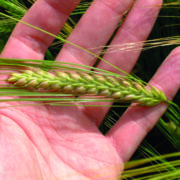
5 options when choosing spring barley
Arable 21/12/2023
Wet autumn weather means more growers are likely to include spring barley in their cropping plans this season. A good range of varieties means there are lots to choose from – offering attractive yields, lower growing costs than those typically associated with winter-sown crops, and premium potential where malting... Read more
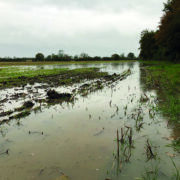
A big increase in spring cropping is on the cards with wet weather and sodden fields leaving many growers unable to get drilled up last autumn. Growers who haven’t already done so are being advised to make spring cropping decisions and secure seed sooner rather than later – or... Read more
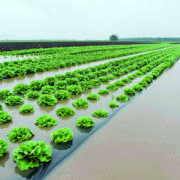
Urgent steps are needed to safeguard the future of the UK’s horticulture sector, says a hard-hitting House of Lords report. The £5 billion industry – focusing on fruit, vegetables and ornamental plants – is at a crossroads, says the study. It is under-prioritised and unappreciated by policymakers – threatening... Read more
Growers wanting to optimise returns should focus on efficiency rather than yield, say data experts. “The arable industry adage ‘yield is king’ still resonates – although perhaps less so going forwards as the landscape and priorities shift with changing policies,” says Yagro chief executive and co-founder Gareth Davies. “We... Read more
Highs and lows of arable input costs
Arable 29/11/2023
Average arable input costs continue to ease – but fertiliser prices are showing an upturn, fuelled by market uncertainty and conflict between Israel and Hamas. Overall costs fell by 4.7% in the year to 30 September, according to the latest Aginflation Index from the AF Group. But this is... Read more

Subscribe


Crushed farmer urges rethink on farm safety
News Oct 1, 2026

Drought could last another six months
News Sep 28, 2026

Veteran paddlers launch £10,000 YANA challenge
News Aug 27, 2026


Poignant hi-vis reminder on farm safety
News Jul 31, 2026
