

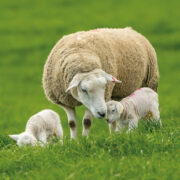
Lamb producers could achieve a three to one return on investment by using specialist supplements before tupping. A productive lambing season relies on a good tupping tupping, says nutrition specialists Rumenco. Recent trials suggest a ewe supplement ahead of tupping can significantly improve the number of live births –... Read more
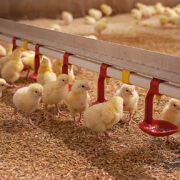
• Biosecurity ensures profitable production • Growth targets and feed conversion goals • Disinfectant and cleaning delivers results Good biosecurity is helping a Derbyshire broiler producer hit growth targets and feed conversion goals. George Adsetts rears 3.5 million birds annually on all-in-all-out systems across three units – including... Read more

Act now to avoid being caught out A challenging season which has played havoc with silage reserves means a fodder budget will be vital on most farms this winter. With both fodder quality and quantity affected by this year’s weather – including a wet spring and... Read more
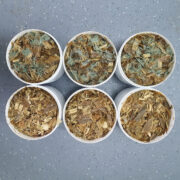
• Spoilage risk in warm wet season • Helps combat yeasts and moulds • Treated silage is more palatable A silage additive to aid maize forage fermentation is likely to pay dividends this autumn – helping to prevent significant mycotoxin accumulation. A good additive will restrict the development of... Read more

A slow-release feed product aims to provide pig and poultry producers with a cost-effective alternative to fishmeal. While fishmeal can be a valuable protein source in livestock diets, it is becoming limited by cost, availability and sustainability concerns, says Joe Magadi technical manager at nutritional supplement manufacturer UFAC-UK. “Pig... Read more

Milk producers concerned about winter feedstocks should do all they can to make the most of maize this year – including seeking out extra supplies. With many arable producers drilling maize due to the difficulty of establishing winter and spring crops in recent months, additional sources of both forage... Read more

Farmers facing a lack of home-grown forage this winter could grow an autumn catch-crop – and unlock additional revenue from the Sustainable Farming Incentive. Lack of sunshine has restricted grass and maize growth. But one way to plug the forage gap is to plant a catch crop, suggests Simon... Read more

I can sound like a stuck record when talking about the importance of quarantining new animals on the farm, writes Nerys Wright. Quarantine is not exciting – frequently seen as yet another job involving what appear to be fit, healthy animals. But many disease outbreaks are traced back to... Read more

Dairy fortunes are showing signs of recovery – but milk prices still have some way to go to cover production costs on many farms. Values have steadily risen over the past year following a sharp drop to 36.49ppl in July 2023. But they frequently fail to provide a fair... Read more

Reducing on-farm emissions by making simple changes is helping to increase profits on one of the UK’s biggest dairy units. That was the message delivered by Grosvenor Farms dairy manager David Craven to 1300 visitors at last month’s Down to Earth event in Cheshire. The 2,600-cow herd is housed... Read more

Subscribe


Royal recognition for farmer’s open days
News Jul 2, 2026

Supplementary feeding boosts bird numbers
News Jul 2, 2026

Check records before applying for SFI 2026
News Jul 2, 2026


Harvest traffic sparks rural road warning
News Jun 2, 2026

Show season highlights best of food and farming
News May 5, 2026