

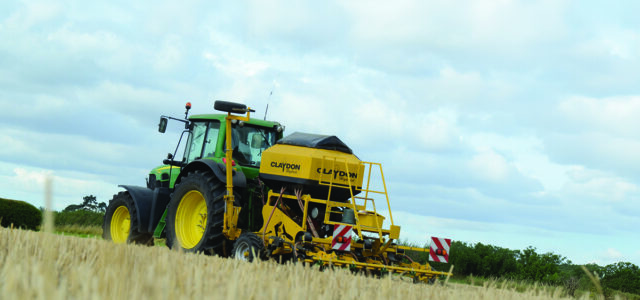
Oilseed rape is continuing to increase in popularity, with more growers expected to return to the crop this coming season.
Decent returns, good yields and acceptable levels of cabbage stem flea beetle management have seen the a revival in fortunes, helping growers manage risk, reduce input costs and spread exposure across different markets.
Good progress
Industry confidence has improved with oilseed rape prices at around £485-500/t and demand supported by the biofuels sector. Forecasts suggest the rape area could rise further for harvest 2027.
“We’ve made significant progress and there are reasons to be optimistic,” explains James Warner, chief executive of farmer-owned co-operative United Oilseeds (see pages 37-38).
Two years ago, Mr Warner initiated the industry-backed Reboot OSR campaign which sought to unite the sector behind the crop – fostering collaboration and innovation to revitalise the future of homegrown rape.
“The crop area is moving in the right direction and growers are proving that rape can still be grown successfully,” says Mr Warner. “Now the challenge is to build on that momentum.”
Rotation benefits
Tight wheat-rape rotations in the past have led to pest and disease pressures. One solution, suggests Nigel Padbury, of Premium Crops, is not to grow winter rape and winter linseed, rather than just growing all rape.
“Rape works best as part of a genuinely diverse rotation, mixed with other break crops,” says Mr Padbury. “We believe the temptation to drift back into a one-in-three wheat-rape rotation should be avoided.”
Challenges including cabbage stem flea beetle, verticillium, light leaf spot and slugs remain present despite becoming less visible during the recent decline in the oilseed rape area.
Winter linseed can help extend the gap between rape crops to as much as seven or eight years. “The result is a wider rotation that delivers many of the same break-crop benefits while spreading risk across two distinct markets and crop types.”
Input savings
Premium Crops argues winter linseed also offers agronomic advantages. As a non-host crop for flea beetles, it helps break pest cycles and can reduce pressure on subsequent rape crops.
Growers have also reported lower slug pressure following linseed.
The crop’s lower nitrogen requirement may prove increasingly attractive as fertiliser prices remain elevated. Winter linseed typically requires 80-120kg N/ha, compared with 180-250kg N/ha for rape.
“That’s the equivalent of needing to grow an extra half tonne of rape per hectare just to break even on fertiliser costs alone,” said Mr Padbury. Buy-back contracts for winter linseed can offer growers greater certainty, he added.



Royal recognition for farmer’s open days
News Jul 2, 2026

Supplementary feeding boosts bird numbers
News Jul 2, 2026

Check records before applying for SFI 2026
News Jul 2, 2026


Harvest traffic sparks rural road warning
News Jun 2, 2026

Show season highlights best of food and farming
News May 5, 2026