

 A renewed drive to tackle sheep lameness is taking centre stage the sector comes together to reduce disease levels in UK flocks.
Sheep lameness remains one of the most significant health, welfare and economic challenges facing the UK sheep sector. Ways to reduce it will be highlighted in a free webinar sponsored by MSD Animal Health on 16 July. Conditions including footrot, scald and Contagious Ovine Digital Dermatitis (CODD) can cause pain, reduce mobility and lower flock performance, while increasing labour and treatment costs.
The event follows renewed industry attention on lameness reduction after the launch of a new stakeholder group dedicated to improving disease control across the UK sheep industry.
Funded through the Farming Innovation Programme’s ADOPT scheme, delivered by Innovate UK in partnership with Defra, the initiative aims to support coordinated action and achieve long-term reductions in flock lameness.
The webinar will bring together technical experts and farmers to discuss practical measures that can be implemented on farm. Veterinary adviser Kat Baxter-Smith, of MSD Animal Health, will outline the scale of the challenge and its impact on flock performance, alongside practical management approaches.
Five-point plan
Independent vet Ruth Clements will provide an update on a Five-Point Plan and explain how it can reduce lameness levels. The plan is a central part of efforts to improve sheep health and welfare while limiting the financial impact of disease.
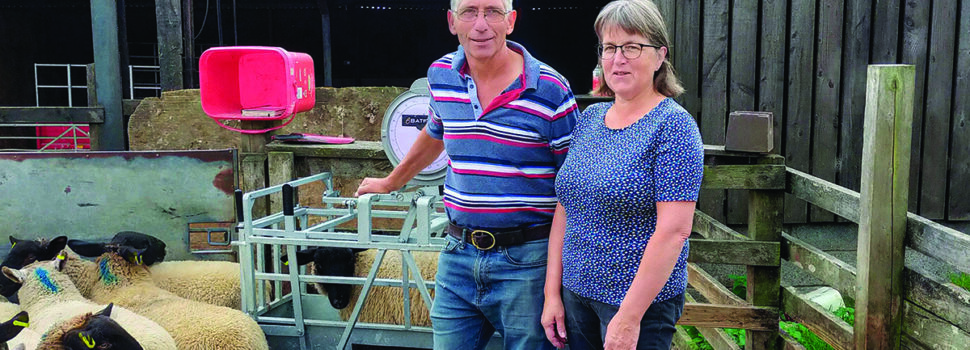
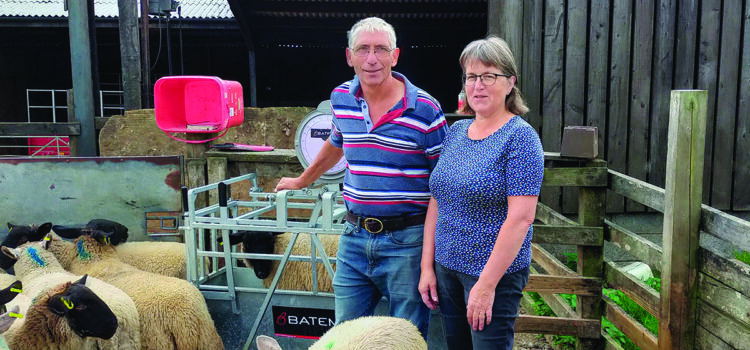
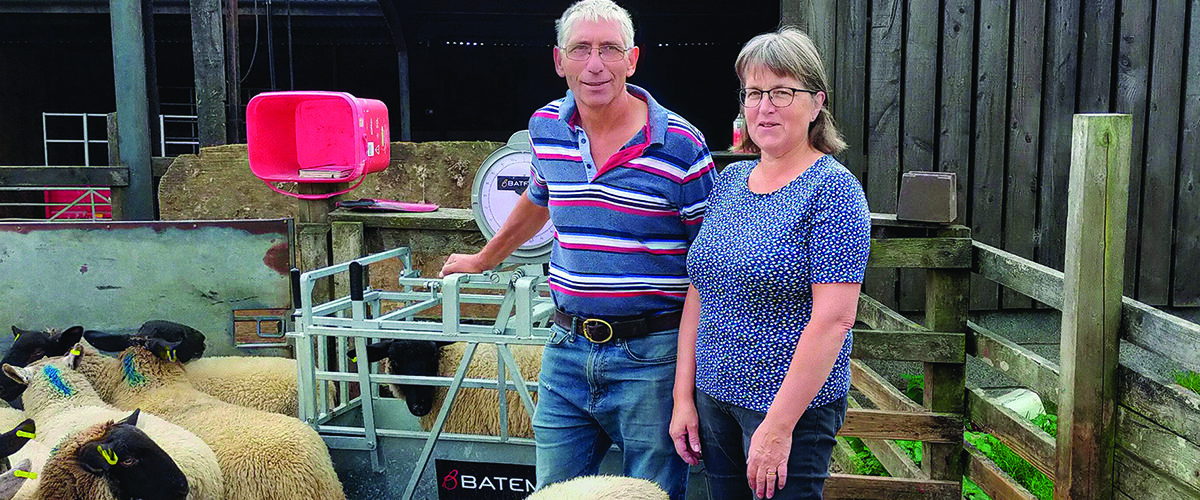
Devon sheep farmers Bryan and Liz Griffiths will share their experience of implementing the Five Point Plan and the improvements achieved within their flock.
Organisers say the webinar will provide practical, evidence-based guidance that farmers can apply directly to their own businesses. With pressure on livestock producers to improve both animal welfare and business performance, reducing lameness remains one of the most effective ways to improve flock productivity and cut avoidable costs.