


A Norfolk-based farming and contracting business has reduced soil compaction after adopting central tyre inflation for its tractor fleet. Working in partnership with Hardingham Farms, HC Beales & Co farms 2,425ha of its own arable crops while providing a contract farming and general contracting service for other farms south-west... Read more

Reducing soil acidity by increasing its pH before drilling winter crops will improve nutrient availability – and boost yields. More than half of all arable fields are below the target pH 6.7 recommended in AHDB’s Nutrient Management Guide (RB209), suggest results from NRM laboratories which analysed more than 50,000... Read more

EXPERT VIEW Soil testing will mean a more informed choice when ordering new supplies, says Natalie Wood We’re well into harvest and it’s also the time of year when growers are planning and ordering supplies for the new season. When crop nutrition companies release new season prices, it can... Read more

Growers are advised to test soils soon after harvest and start putting right damage caused by months of wet weather. Record-breaking rainfall has washed away nitrogen, phosphorus and other essential nutrients, leaving soil health in tatters. Some soils are also likely to contain worrying levels of contaminants like aluminium... Read more

Innovative ways to produce potatoes will be showcased by crop trials at a new industry event next month. The Transformative Reduced Input in Potatoes (TRIP) project has taken three trial crop plots at the Potato Days UK event, which will be held on 4-5 September at Dyson Farming, Nocton,... Read more
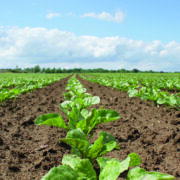
Sugar Beet remains the only UK crop that has continued to deliver a year-on-year yield increase for farmers. This is down to two things: professional growers and heavy investment in research and development by plant breeders. After several reviews, NFU Sugar and British Sugar have both recognised the need... Read more

Mastering disease control is crucial for growers to ensure sugar beet canopies keep photosynthesising efficiently this season. Speaking at a recent BASF webinar, experts gave a summary of the likely disease threats which could prevent growers from achieving maximum root weight and optimum sugar content. The key foliar diseases... Read more

How seed pellets aid establishment
Wheat 01/08/2024
Pelleted seed mixes can encourage cover crop and companion crop establishment while saving growers time and money. Developed by RAGT, the method involves “glueing” together up to four different seeds encased in a water-soluble coating. This produces a pellet with a similar mass to compound fertiliser which can be... Read more

Heavy rain late in the season is highlighting the need to consider pod shatter resistance when selecting oilseed rape varieties. Pod shatter (POSH) is a natural process for seed dispersion in oilseed rape. But it can result in significant on farm seed losses due to extreme weather – including... Read more

Adjusting drilling dates and planting companion crops can help combat cabbage stem flea beetle in oilseed rape. Drilling rape in the traditional mid- to late-August slot can exacerbate flea beetle problems – increasing the chance of crop failure, says ProCam technical manager Nigel Scott. Different thinking is needed to... Read more

Subscribe


Poignant hi-vis reminder on farm safety
News Jul 31, 2026


Royal recognition for farmer’s open days
News Jul 2, 2026

Supplementary feeding boosts bird numbers
News Jul 2, 2026

Check records before applying for SFI 2026
News Jul 2, 2026