

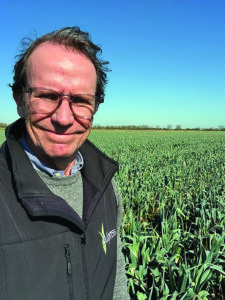
 Seed trials on a Cambridgeshire farm are helping to secure the future of UK leek production, says a major grower.
Patrick Allpress has been growing leeks for decades. But recent years have seen him change his approach to help mitigate the impact of climate volatility, rising input costs, fewer crop protection products and tighter market margins.
Today, Mr Allpress is in the process of moving from drilling to planting, embedding integrated pest management – and using digestate from the farm’s cutting-edge anaerobic digester to improve his soils.
Based in the heart of the Fens near Chatteris, Mr Allpress is also hosting a series of leek variety trials – testing various traits from enhanced pest and disease development to improved colour and flavour.
Founded in 1965, Allpress Farms totals some 1000ha of onions and leeks alongside break crops of wheat, maize and hybrid rye. The family-run business has its own packing facility, 100 full-time staff and supplies supermarkets across the UK.
“Being in the fens, we’re in the heartland of UK veg production,” says Mr Allpress.
Latest genetics
Fenland peaty soils are ideal for allium crops such as leeks. But the withdrawal of many active ingredients and crop protection products has seen the crop increasingly challenged by weeds, pests and disease.
Genetics have a massive role to play in securing a viable future for UK leek production, believes Mr Allpress.
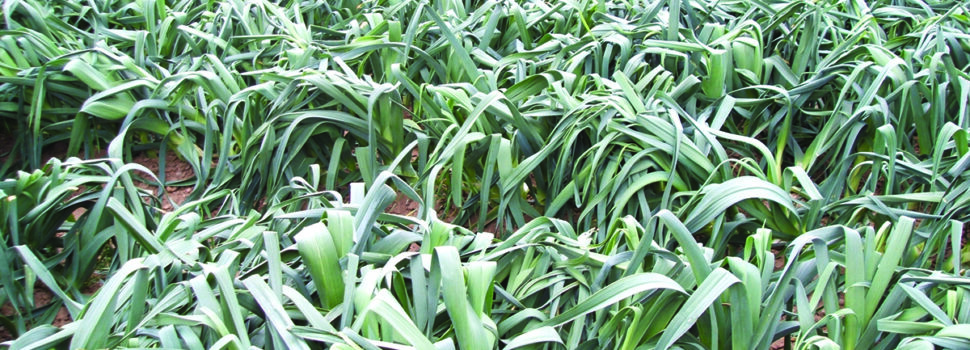
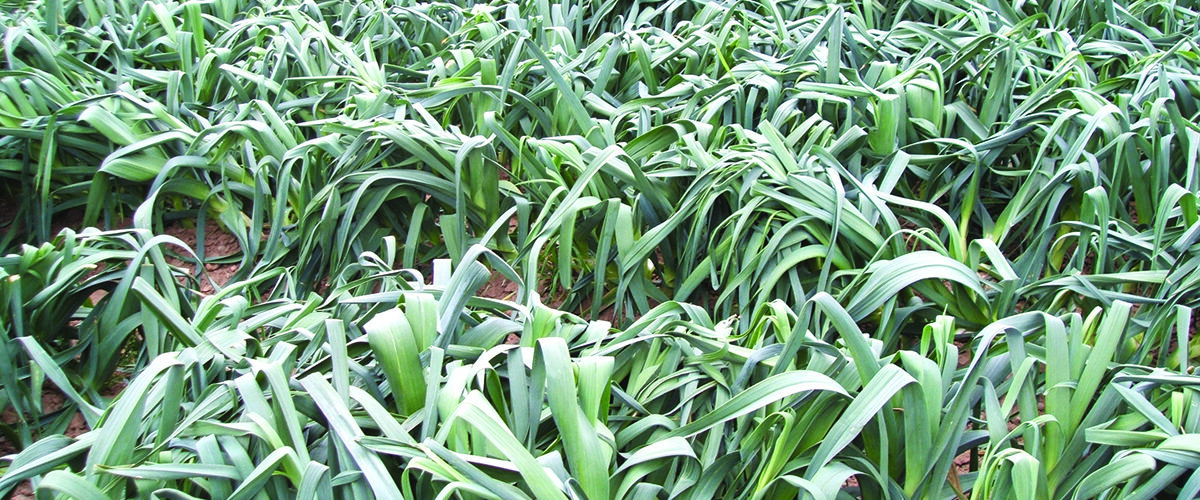
Allpress Farms hosts field trials for BASF Nunhems, which has a portfolio of 17 leek varieties. The farm is testing the latest varieties for their suitability for UK production, disease resistance and traits which appeal to retailers and consumers.
“Variety choice is crucial,” says Mr Allpress. We are exploring the characteristics we want for the future – leeks that are well-suited to the pre-pack market, with resistance to disease, thrips and pink stripe. “Their researchers are extremely thorough, gathering a vast array of data throughout the growing cycle. Validating performance with data in real-world conditions is essential for the future of our industry.”
Advances in genomics and gene editing could also mean that even the complex tetraploid leek genome can be improved faster than ever, shortening the breeding cycle and accelerating the availability of new varieties.
Risk reduction
Meanwhile on-farm, Mr Allpress is reducing risk by moving towards a plant-based sowing system – a shift away from drilling which has been driven by the loss of seed treatments and the need to reduce weed pressure.
“Seedlings are vulnerable and we’re finding that without these tools we’re losing more and more plants. By moving to a purely planting system, we will reduce risk.”
While planting costs more, crops are in the ground for less time – cutting the window for pests and diseases to take hold. The new approach will also lower pesticide usage, which fits with the company’s wider sustainability objectives.
Soil health is central to the long-term sustainability of leek production, says Mr Allpress. His strategy centres on building organic matter and protecting the peaty substrate that makes the farm’s alliums so successful.
“Originally farms here would have been mixed and the organic content of soils was largely maintained through manure. However, as farmers specialised, we’ve started taking more from soils than we’ve put back in.”
To counter this, the farm uses digestate from its on farm anaerobic digester and cover crops in the winter. Precision applications of fertiliser ensure crops receive the right nutrients for healthy growth.
Other growers are enhancing soil health too. Mr Allpress is a founding member of Fenland Soil which helps farmers with research, and shares soil protection knowledge, mitigating climate change and measuring greenhouse gas emissions.
Variety choice
Varieties which meet supermarket specification are key. Yield comes into the decision-making too – as does cleanability and packability. That means long leeks with good shaft length, decent colour and flavour.
Pest and disease resistance also come into the equation. So too is a combination that offers sequential planting and harvesting. This year, the conventionally grown crops are Bokston, Maxton, Krypton, Flexiton, Ronton with Laston.
“These are proving to be robust varieties that perform well on our farm. Cleanability helps reduce labour requirements. Varieties such as Flexiton, with improved efficiencies during handling, reducing the labour required by up to 25%.
When it comes to pests and disease, thrips and fusarium are the farm’s biggest enemies, especially with fewer chemical options. It is a huge challenge – and thrips and basal rot fusarium are particularly difficult to control.
Thrip traps and forecasts are used to forecast infestations – including for disease resistant leeks. For organic production, varieties such as Maxton, Bokston and Yeston are chosen specifically for their natural resistance to thrips and yellow rust.
“When you’ve no crop protection products to help you get through our winters, which can be harsh, wet, and/or changeable, that resistance is crucial. In recent years, fusarium in onions has been worse than ever and nobody really knows why – climate change, increases in cover crops, loss of crop protection products are probably all playing a role. Fortunately, breeders are picking up that mantle.”